INEC Chairman Orders Meeting Between Warring PDP Factions

INEC Chairman Prof. Joash Amupitan

The Independent National Electoral Commission (INEC) has convened a high-stakes meeting between rival factions of the Peoples Democratic Party (PDP) in a bid to resolve internal disputes that threaten to weaken the opposition ahead of the 2027 general elections.

INEC Chairman Professor Joash Amupitan summoned leaders and representatives of the two contending groups to the commission’s headquarters in Abuja, where deliberations are currently underway. The meeting brings together members of the Makinde-backed Turaki faction and the Nyesom Wike-backed Abdulrahman Mohammed faction, both of which have laid competing claims to the leadership and direction of Africa’s once-dominant party.

The crisis erupted earlier this year after heightened disagreements over party leadership, structure and control of key decision-making processes. Governor Seyi Makinde’s Turaki camp has argued for an inclusive, reform-oriented PDP leadership approach, while the group aligned with former Rivers State Governor Nyesom Wike and led by Abdulrahman Mohammed has pushed back against perceived marginalisation and centralisation of power within the party hierarchy.

With the meeting ongoing at INEC’s headquarters, sources familiar with the discussions say the commission is focused on encouraging the factions to harmonise existing parallel leadership structures and present a united face ahead of the mandated electoral timetable. INEC’s intervention follows a series of court cases and public rows that have sown confusion among PDP stakeholders and voters nationwide.

Chairman Amupitan’s move is rooted in INEC’s statutory role to ensure that political parties operate in a manner consistent with the Constitution and electoral laws. A breakdown in internal party governance, officials argue, could impede party participation in elections or lead to conflicting submissions of candidates and executives during primaries and general polls.

While INEC has not disclosed the full details of the discussions, party sources indicate that the commission is urging both factions to reconcile leadership disputes and adopt a single registered national executive committee. A senior PDP official, speaking on condition of anonymity, described the meeting as “an important opportunity to end a divisive chapter and focus on rebuilding the party’s credibility.”

Reaction from both camps has been cautious. Supporters of the Turaki faction say they remain committed to dialogue but insist that any resolution must uphold democratic norms and respect decisions from recognised party organs. Meanwhile, backers of the Wike-aligned group have stressed the need for internal justice and proper representation within PDP structures before any unity pact can be reached.

The rift has already had political ramifications. Some state chapters of the PDP have reportedly split their allegiances, pledging support to either Makinde’s or Wike’s camps, and voices within the party have warned that prolonged disunity could erode the PDP’s chances in key electoral battlegrounds.

New Campaign Urges Black Communities to Get Tested for Gene Linked to Higher Risk of Kidney Failure

A growing public health campaign is calling on people of Caribbean and African heritage to undergo genetic testing for a gene variant that significantly increases the risk of chronic kidney disease and kidney failure. The initiative highlights the APOL1 gene, a genetic risk factor thought to be carried by around 1 in 10 people with recent African ancestry, which medical experts say can predispose carriers to severe kidney complications later in life.

Advocates behind the campaign warn that individuals with certain APOL1 variants are far more likely to develop chronic kidney disease, a condition that can gradually lead to organ failure and death if undetected and unmanaged. The drive to raise awareness follows emerging research showing that APOL1 variants are especially prevalent in people of West and Central African descent, including those in the Black, Afro-Caribbean and African American communities.

Medical experts say that early diagnosis can be lifesaving because it enables individuals at risk to work with clinicians on strategies to slow the progression of kidney damage and prevent the onset of kidney failure. Awareness efforts are also tied to AMKD Awareness Day, established to spotlight APOL1-mediated kidney disease (AMKD) and encourage communities to “be APOL1 aware.” The annual health awareness day underscores the importance of understanding one’s genetic risk and seeking testing where available.

Recent developments in kidney health research and care are also offering potential hope for affected communities. Pharmaceutical trials investigating inaxaplin (VX-147) — a small molecule targeting APOL1-mediated kidney disease — have advanced into a late stage of clinical testing, with regulators granting it Rare Pediatric Disease Designation and Breakthrough Therapy status from the U.S. Food and Drug Administration, and priority designations in Europe. If successful, this treatment could be the first to address the underlying genetic cause of the condition.

Meanwhile, health systems abroad are starting to introduce APOL1 genetic testing programs to improve care and reduce health disparities among people of African and Caribbean heritage. In the United Kingdom, the NHS has rolled out a genetic test for potential kidney donors that identifies APOL1 risk variants. This enables clinicians to advise individuals at higher risk of kidney disease about donation suitability and to provide regular monitoring, potentially preventing future kidney failure.

The campaign’s backers emphasize that while the APOL1 gene itself does not guarantee that someone will develop kidney disease, it does confer a higher risk that merits timely testing and preventive care.

Benin President Appeals to Togo to Extradite Coup Leader Pascal Tigri

Benin Republic President Patrice Talon

Beninese President Patrice Talon has confirmed that Lieutenant-Colonel Pascal Tigri, the alleged ringleader of a failed coup attempt, successfully fled the country with several co-conspirators and is now believed to be in a neighbouring state, intensifying diplomatic efforts to secure their return.

In an address to the press on Thursday, Talon detailed the aftermath of the December 7 putsch attempt, in which Tigri and a group of mutinous soldiers briefly seized state television and claimed the dissolution of constitutional order before security forces, backed by international partners, including Nigeria, swiftly regained control. “No significant segment of the army joined” the mutiny, Talon said, underscoring that the bulk of the military remained loyal to the constitutional government.

According to government sources, Tigri and his henchmen fled to Togo’s capital, Lomé, where they are reportedly hiding. Beninese authorities have formally requested their extradition, urging the “relevant countries” to cooperate in returning the alleged putschists to face justice. “If the Togolese government does not extradite them,” a Beninese official said earlier, “that will be the proof that Togo was involved in the coup attempt.”

President Talon also provided new insights into exchanges with Tigri during the crisis, revealing that at one point in the standoff he and the head of the republican guard spoke with Tigri by phone as events unfolded at the Togbin military camp in Cotonou. Tigri had left the camp in civilian clothing as the mutiny collapsed, Talon explained.

The failed coup shook one of West Africa’s most stable democracies, coming amid a regional backdrop of political unrest where several neighbours, including Niger and Burkina Faso, have experienced successful coups in recent years. Investigators are also probing possible external links to the coup attempt, with some analysts noting that regional military alliances like the Alliance of Sahel States may have had interests in destabilising Benin.

Since the foiled attempt, security operations have intensified. At least 30 people—mostly military personnel—have been jailed on charges including treason, murder and attacks on state security, according to government sources.

President Talon has emphasised that the coup “was not a coup d’état but an attack,” seeking to reassure the populace and international partners that democratic institutions remain firmly in place. Nigeria and France, among others, provided critical support to loyalist forces during the crisis, with Nigerian jets and French logistical assistance helping to dislodge mutineers.

Undermining Dangote Refinery Threatens National Interest, Agbakoba Warns

Dr. Olisa Agbakoba (SAN)

A growing standoff between the Dangote Petroleum Refinery and the Nigerian Midstream and Downstream Petroleum Regulatory Authority (NMDPRA) has sparked a broader national debate about Nigeria’s oil governance framework, with former Nigerian Bar Association president Dr. Olisa Agbakoba (SAN) warning that the dispute goes far beyond a commercial disagreement.

In a strongly worded statement, Agbakoba said the impasse strikes “at the heart of a fundamental development question: the sovereignty of Nigeria’s governance process over its hydrocarbon resources.” He argued that the difficulties facing the $20 billion Dangote Refinery—despite its status as one of the largest single-train refineries in the world—highlight deep structural problems in how Nigeria manages its oil and gas sector.

“The paradox is striking,” Agbakoba said. “Nigeria now has a $20 billion refinery—one of the world’s largest—yet we continue importing petroleum products.” According to him, the continued importation of fuel despite massive domestic refining capacity reflects a system that frustrates local value addition while sustaining dependence on foreign supply chains.

The former NBA president accused regulatory actions of undermining transformative private investment, noting that a private investor has built infrastructure the country has long lacked but is now facing obstacles from institutions meant to enable such progress. “When government policy actively frustrates transformative local investment, we must question whether our economic strategy serves national interest or perpetuates dependency,” he said.

Aliko Dangote

At the core of Agbakoba’s argument is what he described as Nigeria’s continued reliance on a “Contract Oil” model, where crude oil is extracted and exported with little domestic value addition. Under this system, he said, jobs, industrial capacity and wealth creation are effectively outsourced. “We export raw crude only to import refined products at premium prices, perpetuating dependency rather than fostering development,” he stated.

Agbakoba contrasted Nigeria’s approach with that of Saudi Arabia, which he described as practising “Development Oil” by using petroleum resources as a catalyst for national transformation. He pointed out that Saudi Arabia has built extensive downstream capacity, a large maritime fleet and firm control of its petroleum value chain, while Nigeria—Africa’s largest oil producer—operates without comparable infrastructure.

Citing Section 44(3) of the Nigerian Constitution, Agbakoba stressed that oil and gas resources are vested in the federal government to be managed for the welfare and security of Nigerians. “When regulatory actions frustrate investments that create local capacity, generate employment, and reduce import dependency, they violate constitutional obligation,” he said. He described the situation in which a domestic refinery struggles to secure crude supply while fuel import licences continue to be issued as a “fundamental failure” of that responsibility.

The dispute comes amid ongoing public exchanges between the Dangote Group and the NMDPRA over crude supply arrangements, import permits and regulatory compliance. While the regulator has repeatedly said its actions are guided by law and market stability considerations, industry analysts say the disagreement has exposed long-standing tensions between policy objectives and implementation in Nigeria’s downstream sector.

Agbakoba warned that the stakes are national rather than corporate. “This is not merely about one refinery or one company—it is about whether Nigeria will continue the failed Contract Oil approach that has produced seven decades of resource curse, or embrace Development Oil principles that align hydrocarbon management with constitutional obligations and national development imperatives,” he said.

U.S. House Passes Controversial Bill to Criminalize Gender-Affirming Care for Minors Amid Broad Backlash

The U.S. House of Representatives narrowly approved a highly contentious bill aimed at criminalizing gender-affirming medical care for transgender minors, marking one of the most significant federal actions yet in the ongoing national debate over transgender rights and healthcare. The measure, known as the Protect Children’s Innocence Act, passed Wednesday evening by a vote of 216 to 211, with 207 Democrats and 4 Republicans voting against it.

Sponsored by Georgia Republican Rep. Marjorie Taylor Greene, the legislation seeks to make it a federal crime to provide puberty blockers, hormone therapy or gender-affirming surgeries to anyone under the age of 18. If enacted, medical providers and, in some cases, parents or guardians who consent to such treatments could face fines and up to ten years in prison, though minors themselves would not be subject to criminal penalties.

Speaking on the House floor ahead of the vote, Greene framed the bill as a protective measure. “Protecting children is not optional, it’s our duty,” she said, insisting that minors are not capable of making “life-altering decisions” about their bodies. Her supporters argue the bill prevents what they describe as irreversible and harmful medical procedures on young people.

Despite its passage in the House, the bill faces a steep uphill battle in the Senate, where it is widely expected to struggle to secure the 60 votes necessary to overcome a filibuster. Nevertheless, its advancement signals a major escalation in conservative efforts to curtail gender-affirming care at the federal level.

The voting breakdown highlighted stark partisan divides. Most Republicans backed the measure, while Democrats united in opposition, though three Democrats crossed party lines to support it. Among the Republicans who joined Democrats in opposing the bill were Reps. Mike Kennedy (R-Utah), Brian Fitzpatrick (R-Pa.), Gabe Evans (R-Colo.) and Mike Lawler (R-N.Y.).

Critics of the bill, including members of the Congressional Equality Caucus and prominent civil liberties groups, denounced the legislation as an unprecedented intrusion into personal healthcare decisions and parental rights. Congressional Equality Caucus Chair Rep. Mark Takano described it as “the most extreme anti-transgender legislation to ever pass through the House,” warning that it could criminalize families and doctors “choosing to prioritise their child’s health.”

The American Civil Liberties Union also condemned the measure, arguing that it would “put a threat of prosecution between hundreds of thousands of families and their doctors” and create a dangerous precedent by embedding ideological judgments into medical law. The ACLU noted that major medical associations, including the American Medical Association and the American Psychological Association, support gender-affirming care as medically necessary for many transgender youth.

The House vote comes amid broader federal actions aimed at restricting transgender healthcare. Just days after the bill’s passage, Health and Human Services Secretary Robert F. Kennedy Jr. announced new policies that would bar Medicaid and Medicare funding for gender-affirming treatments for minors and issue FDA warnings to manufacturers of chest binders marketed to youth — characterizing such procedures as unsafe and unproven.

At the state level, the federal debate mirrors ongoing legislative activity. Several states have enacted their own bans on gender-affirming care for minors, including New Hampshire’s HB 377 and HB 712, which prohibit hormone therapy, puberty blockers and many surgeries for those under 18, and have already attracted national attention.

Supporters of transgender rights expressed alarm at the House action. Rep. Sarah McBride (D-Del.), the first openly transgender member of Congress, passionately opposed the bill, urging lawmakers not to “insert themselves into the personal healthcare decisions of patients, parents, and their providers.” Advocates warn that restricting access to care could exacerbate mental health risks for transgender youth, who already face higher rates of anxiety, depression and suicide compared with their cisgender peers.

Hungary PM Warns EU Against Using Russian Assets for Ukraine, Calls It a ‘Declaration of War’

Hungary Prime Minister Orbán Viktor

Hungarian Prime Minister Viktor Orbán has intensified his opposition to a controversial European Union plan to use frozen Russian assets to support Ukraine, asserting that doing so would amount to the bloc entering the war itself. His remarks, made on the sidelines of a critical EU summit in Brussels, have underscored deep divisions within the Union as leaders grapple with how best to sustain Kyiv in its conflict with Moscow.

Orbán told reporters that “to take Russian assets to fund Ukraine … cannot be interpreted in any other way than as a declaration of war”, arguing that confiscating or reallocating the funds of one party in an ongoing conflict to another would effectively embroil the EU in hostilities. He stressed that Hungary does not want the European Union to become a direct party to the Russia-Ukraine war and urged fellow leaders to pursue peace-oriented steps instead of escalation.

The controversy comes as EU leaders are meeting to debate a bold yet contentious strategy to address Ukraine’s growing financial shortfalls. The European Commission has proposed a mechanism to harness roughly €210 billion in Russian central bank assets frozen across the bloc by using them as collateral for a loan that would provide up to €90 billion in assistance to Ukraine across 2026 and 2027 without technically confiscating the sovereign reserves — a construct known as a “reparations loan.”

While major capitals such as Berlin and Brussels argue this approach could shore up Kyiv’s finances without burdening member states with direct debt, Hungary — alongside Belgium and other sceptics — has voiced legal and political concerns. Belgium in particular has sought strong assurances against potential Russian retaliation, including legal and financial safeguards for Euroclear, the Belgian clearing house where much of the frozen assets are held.

Orbán has gone further than most, openly warning that any plan to transfer value from Russia to Ukraine would escalate the conflict rather than help resolve it. “There are two countries that are at war,” he said, “… it’s not the European Union — they are Russia and Ukraine.” The Hungarian leader suggested that the proposal to use the frozen assets might already have been removed from the EU summit’s agenda, describing it as effectively “dead” due to lack of majority support.

He further stressed his position, posting on X.com, “Confiscating Russian assets to fund Ukraine? A declaration of war. Taking the money of one side and giving it to the other would drag the EU into the conflict. This must not happen. Thankfully, I am not the only one who sees it this way.”

His stance has drawn criticism from Kyiv. Ukrainian officials, including Foreign Minister Andrii Sybiha, have slammed Orbán’s objections, with some Kyiv voices labelling him “Russia’s most valuable frozen asset in Europe” for blocking measures that Ukraine views as critical to its survival and defence.

Orbán has further rejected other financing mechanisms, including proposals for joint EU borrowing to support Ukraine, saying Hungary’s constitution would not allow such debt obligations without parliamentary approval and reaffirming his view that the EU should focus on peace rather than war funding.

The broader EU summit debate comes against the backdrop of an increasingly urgent need to solidify funding for Ukraine, with European leaders warning that failure to agree on a financial strategy could weaken Kyiv’s ability to sustain operations and potentially embolden Russian advances. Some member states have signalled the necessity of decisive action, while others continue to hedge over legal, economic, and security risks.

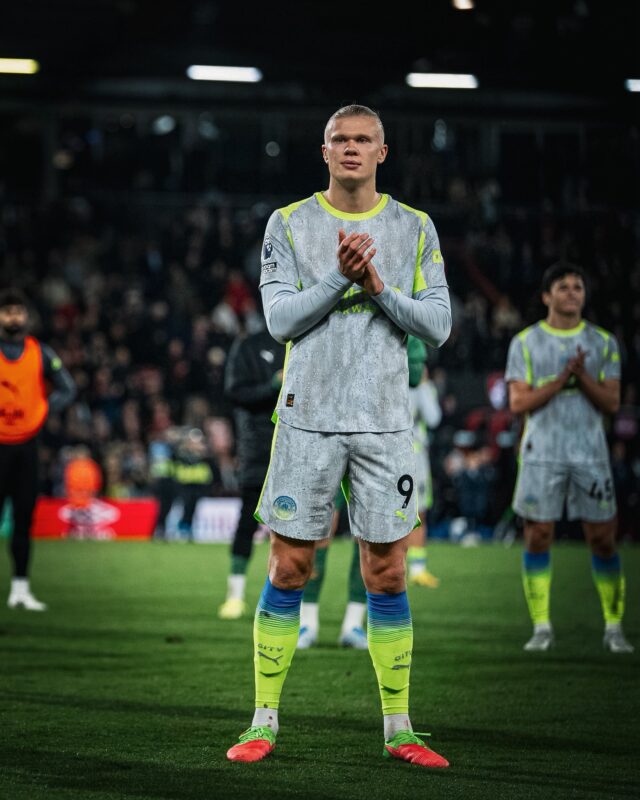
Manchester City Eye Maresca As Guardiola’s Successor

Pep Guardiola and Enzo Maresca

Manchester City have begun laying the groundwork for a future beyond Pep Guardiola, with Chelsea head coach Enzo Maresca emerging as a leading internal favourite should the Spanish manager step down when his current contract expires in 2027. The development reflects City’s long-standing policy of strategic continuity at the Etihad, even as Guardiola continues to dominate English football.

Guardiola, who has transformed City into one of the most successful teams in modern football history, is under contract until the summer of 2027. While there has been no official indication that he will leave at that point, senior figures at the club are understood to be preparing for all eventualities, mindful of the scale of transition that would follow the departure of a manager who has delivered four consecutive Premier League titles and the historic 2023 treble.

Maresca’s name has gained prominence largely because of his deep ties to the club and Guardiola himself. The Italian previously managed Manchester City’s Under-23 side, guiding them to a Premier League 2 title, and later worked as part of Guardiola’s senior coaching staff. During that period, Guardiola publicly described Maresca as “one of the best managers in the world,” praise that has continued to resonate within City’s hierarchy.

Since leaving City, Maresca’s coaching stock has risen steadily. Now in charge at Chelsea, he has been tasked with stabilising a club that has endured managerial upheaval and inconsistent performances in recent seasons. While his appointment was initially seen as a long-term project, recent frustrations over sporting support and internal pressures have fuelled speculation about his future, despite Chelsea’s desire to keep him in place until at least 2030.

Any potential move for Maresca would, however, come at a significant cost. Chelsea are believed to have protected themselves with a substantial release clause, meaning Manchester City would need to pay a hefty compensation fee should they decide to accelerate succession plans. As of now, sources close to Chelsea insist the club views Maresca as central to its rebuilding process and has no intention of entertaining offers.

Tinubu Reconstitutes NERC Board

Nigeria President Bola Ahmed Tinubu

President Bola Ahmed Tinubu has approved the reconstitution of the Board of the Nigerian Electricity Regulatory Commission (NERC), following the Senate’s confirmation of the nominees on Tuesday. The move marks another step in the administration’s efforts to strengthen regulatory oversight and accelerate reforms in Nigeria’s electricity sector under the Electricity Act, 2023.

Under the reconstituted board, Dr. Mulisiu Olalekan Oseni has been appointed Chairman of NERC. Oseni, who began his service at the commission as a Commissioner in January 2017 and later served as Vice Chairman, assumed his new role with effect from December 1, 2025. His appointment will run until the completion of his 10-year tenure at the commission, in line with the provisions of the Electricity Act, 2023.

Dr. Yusuf Ali was designated Vice Chairman of the commission, effective December 1, 2025. Ali was first appointed as a Commissioner in February 2022, and his current designation will remain in force until the end of his first term on the board.

The board also includes Mr. Nathan Rogers Shatti and Mr. Dafe Akpeneye, both of whom are serving second terms as Commissioners, having been first appointed in January 2017. Aisha Mahmud Kanti Bello, first appointed in December 2020, is likewise serving a second term as Commissioner.

Completing the lineup are Dr. Chidi Ike, who is serving his first term after his appointment as Commissioner in February 2022, and Dr. Fouad Animashaun, whose first term takes effect from December 2025. Animashaun brings extensive experience as an energy economist and was most recently the Executive Commissioner and Chief Executive Officer of the Lagos State Electricity Regulatory Commission, a role that positioned him at the forefront of sub-national power sector regulation.

President Tinubu has charged the newly constituted board to deepen and consolidate the ongoing transformation of Nigeria’s power sector, urging strict adherence to both the letter and spirit of the Electricity Act, 2023. The directive underscores the administration’s emphasis on regulatory stability, market efficiency and improved electricity supply across the country.

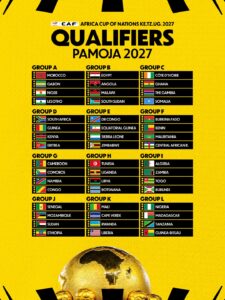
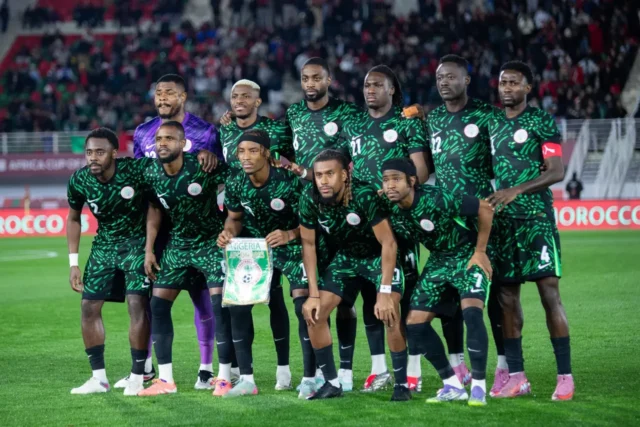
AFCON 2025 Shatters Broadcast Records with 20 Media Deals Across Europe

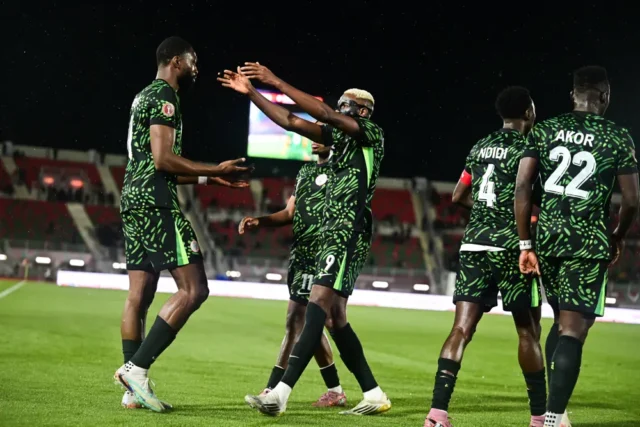
The TotalEnergies CAF Africa Cup of Nations (AFCON) Morocco 2025 has set a new milestone in international sports broadcasting, securing a record-breaking 20 media rights partnerships across more than 30 European territories, tournament organizers confirmed Thursday. This unprecedented expansion marks the widest European coverage ever agreed for the continent’s flagship football tournament, amplifying AFCON’s global visibility ahead of its December 21 kickoff.

The Confederation of African Football (CAF), working in collaboration with global rights agency IMG, announced the multi-partner deals as part of a strategy to bolster the tournament’s global footprint and bring elite African football to millions of viewers across Europe, including the continent’s extensive African diaspora.

Among the landmark agreements is a historic deal with Channel 4 in the United Kingdom, under which all 52 AFCON matches will be broadcast free-to-air, a first for the tournament in the British market. Officials said this move will make one of football’s most fiercely contested competitions accessible to an unprecedented audience in the UK.

In Spain, AFCON’s European exposure is set to rise further through a new partnership with Movistar, one of the country’s premier sports broadcasters. That agreement is expected to deliver strong viewership, buoyed by Spain’s deep footballing ties with North Africa and a large Moroccan community.

The tournament’s free-to-air reach will also expand into other markets for the first time. Greek public broadcaster ERT will air AFCON nationwide after a long absence from the competition, and VGTV in Norway will televise the games free-to-air to Norwegian audiences, another significant first.

Established partners including Sport Italia and Ziggo Sport are expected to build on strong audiences in Italy and the Netherlands from previous editions, while SportDigital will continue coverage in the DACH region across Germany, Austria and Switzerland. Additional partners bringing the tournament to fans across central and eastern Europe include A1 in Bulgaria, Arena Sport across the Balkans, SportKlub in the former Yugoslav states, and broadcasters in markets such as Portugal, Cyprus, Poland and Israel.

CAF’s expanded media footprint reflects the tournament’s growing commercial strength and global appeal, organizers said, as well as a broader push to integrate African football more fully into international sporting calendars and media markets. “AFCON continues to attract growing international interest and Europe is one of its most important markets,” said Robert Klein, IMG’s Senior Vice-President and Managing Director for football. “The record number of free-to-air and premium broadcast partnerships … will bring the tournament to more fans than ever before.”

The heightened broadcast presence comes amid preparations for what promises to be one of AFCON’s most competitive editions. Morocco 2025 will feature 24 national teams competing in 52 matches across nine stadiums, with Africa’s footballing elite showcasing their talent throughout the tournament’s month-long schedule.

The expanded media deals also coincide with boosted support for accredited journalists covering the event. CAF and Morocco’s local organizing committee have established a central Main Media Centre in Rabat, and have streamlined e-visa processes and logistics to accommodate thousands of international reporters.

Iran’s Hormuz Island Coastline Turns Blood-Red After Heavy Rains, Sparking Global Fascination

A striking natural spectacle unfolded this week on Hormuz Island, a small but geologically unique island in southern Iran’s Strait of Hormuz, when heavy rainfall turned parts of the island’s beaches and shallow sea waters a vivid blood-red color. The dramatic transformation, captured in numerous viral videos and photos shared on social media, has captivated audiences worldwide and drawn scientific interest in equal measure.

The phenomenon began on December 16 and 17, following unusually intense seasonal rainfall that washed mineral-rich soil from the island’s hillsides down to the coastlines. Streams of red-tinged water flowed across the landscape, depositing fine particles of iron oxide into shoreward waters and transforming stretches of sand and seawater into an eerie crimson hue.

Scientists and local experts say the spectacle is natural and harmless, arising from Hormuz Island’s distinctive geology. The island’s soil contains high concentrations of iron oxide minerals, especially hematite, which give the earth its characteristic red color. When rainwater flows over these iron-rich slopes, it picks up and carries the microscopic mineral particles into the ocean. There, as the particles remain suspended in shallow water, they absorb and reflect light in a way that makes the water and sand appear deep red.

Geologists point out that this type of mineral-laden runoff is temporary and does not indicate pollution or a biological hazard such as a harmful algal bloom. Environmental specialists reassure the public that the phenomenon poses no known risk to human health or marine life, and that the red coloration generally fades as sediments settle and tidal currents disperse the particles.

Local residents and visitors alike have flocked to the island’s dramatic coastline — particularly areas known as the “Red Beach” — to witness the spectacle firsthand. Photographers and tourists have turned what is normally a subdued coastal scene into a surreal tableau reminiscent of a Mars-like landscape, drawing comparisons on social media and prompting references to biblical imagery, despite its natural origins.

Hormuz Island’s striking mineral diversity has long been a hallmark of its landscape, earning it nicknames such as the “Rainbow Island of the Persian Gulf.” The island features a mosaic of colors in its soils and rock formations that is only fully appreciated after rainfall, when the spectrum of hues becomes most pronounced. The iron-rich red soils — known locally as golak — are not only a visual wonder but are also used traditionally as pigments in art and cuisine.

While the red-tinted waters are drawing international attention, experts emphasize that the effect is ephemeral. As weather patterns change and the heavy runoff subsides, Hormuz’s beaches and coastal waters are expected to return to their more familiar tones, until the next significant rainfall.

EDITOR PICKS

Recent Posts