The Financial Services Volunteer Corps has reaffirmed its support for Nigeria’s evolving virtual asset regulatory framework following a high-level engagement with the Nigerian Financial Intelligence Unit in Abuja, signalling deepening international collaboration to strengthen oversight of the country’s digital finance ecosystem.
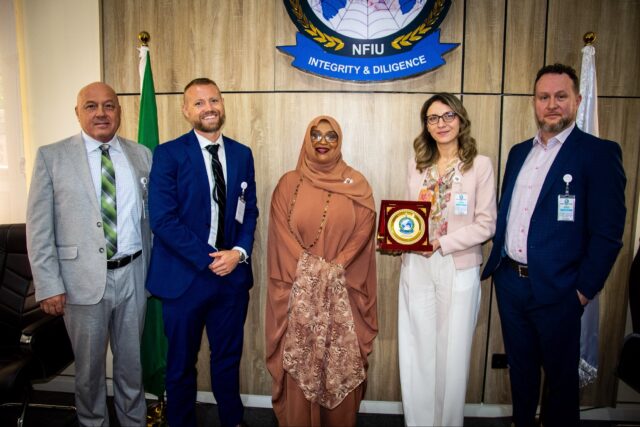
The meeting brought together FSVC Senior Programme Officer Echraf Lajmi and NFIU Chief Executive Officer Hafsat Bakari, with discussions centred on managing the risks associated with virtual assets while maximising their economic potential.
Lajmi commended the NFIU’s proactive stance in safeguarding Nigeria’s financial system, particularly its efforts to address vulnerabilities linked to digital assets. She noted that Nigeria’s regulatory trajectory is increasingly being viewed as a distinctive model among emerging markets, adding that FSVC stands ready to provide technical assistance and global expertise. “Nigeria’s evolving approach offers a unique model,” she said, affirming the organisation’s commitment to support capacity building and contribute to the development of a robust regulatory and legislative framework.
In her response, Bakari highlighted ongoing initiatives by the NFIU, including a comprehensive national risk assessment aimed at identifying exposure points within the virtual asset ecosystem. She stressed that one of the critical challenges remains building trust among key stakeholders. According to her, “bridging trust gaps between regulators, service providers and law enforcement remains critical” to ensuring an effective and credible system.
Bakari further outlined the agency’s focus on strengthening institutional capacity, enhancing intelligence-gathering systems, and fostering stronger public-private partnerships. She emphasised that innovation within the digital asset space must be carefully balanced with national security considerations, noting that regulatory oversight is essential to prevent abuse while encouraging growth.
Both organisations agreed that sustained collaboration—particularly in areas such as training, technical support, and long-term strategic planning—will be vital in positioning Nigeria as a leading jurisdiction in virtual asset governance. The engagement reflects a broader push by Nigerian authorities to tighten oversight of cryptocurrencies and related technologies amid rising global scrutiny of financial crimes linked to digital assets.