U.S. Reclassifies Medical Marijuana as Lower-Risk Drug in Landmark Policy Shift
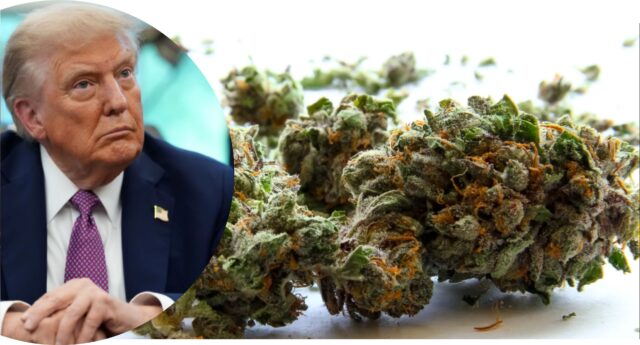
In a sweeping change to U.S. drug policy, Donald Trump has moved to reclassify state-licensed medical marijuana as a less-dangerous substance, marking one of the most significant federal shifts on cannabis regulation in decades.

The decision, executed through the Justice Department and signed by Acting Attorney General Todd Blanche, repositions medical marijuana from the strictest Schedule I category—reserved for drugs deemed to have no accepted medical use—to the less restrictive Schedule III classification under the Controlled Substances Act.

The reclassification does not legalise marijuana at the federal level but substantially eases restrictions on research and regulation. Officials say the move is intended to expand scientific study, improve patient access to treatment options, and align federal policy more closely with the growing number of U.S. states that permit medical cannabis use.

“These actions will enable more targeted, rigorous research into marijuana’s safety and efficacy, expanding patients’ access to treatments and empowering doctors to make better-informed healthcare decisions,” Blanche said while announcing the policy shift.

The change also carries significant economic implications. By moving marijuana into a lower-risk category, state-licensed operators are expected to benefit from reduced tax burdens and improved access to financial services, offering relief to an industry projected to generate tens of billions of dollars annually.

The move follows a December executive directive by President Trump ordering an accelerated review of cannabis classification, amid frustration over regulatory delays. A broader review of marijuana’s legal status is also underway, with federal hearings scheduled to consider further reclassification.

Despite widespread praise from healthcare advocates and industry stakeholders—who describe the decision as a long-overdue recognition of cannabis’ medical value—critics warn the policy could blur public health messaging and embolden recreational use.

AP
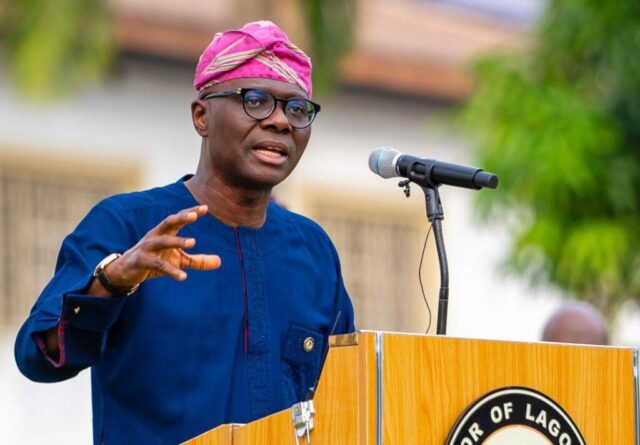
Lagos Hits ₦1.3 Trillion IGR in 2024 as Sanwo-Olu Highlights Revenue Surge

Lagos State Governor Babajide Sanwo-Olu

Governor Babajide Sanwo-Olu has announced that Lagos generated ₦1.3 trillion in internally generated revenue (IGR) in 2024, marking a significant leap in the state’s fiscal capacity amid ongoing economic reforms.

The governor disclosed the figure at the 159th meeting of the Joint Revenue Board, describing the performance as both “modest but significant,” while underscoring its impact on the state’s financial independence. He said, “In 2024, Lagos generated ₦1.3 trillion in internally generated revenue, a 45 per cent jump on the previous year, and IGR now finances over 60 per cent of our budget.”

Sanwo-Olu attributed the sharp increase to sustained investments in digital tax systems, expansion of the tax net, and improved engagement with taxpayers. According to him, the growth did not occur by chance but reflects deliberate policy choices over several years. “That has not happened by luck. It is the result of years of investment in digital tax systems, expanding our tax net, and building trust with our taxpayers,” he added.

The governor also highlighted Lagos’ broader economic significance, noting that the state contributes roughly a third of Nigeria’s gross domestic product and remains the country’s primary maritime gateway. He pointed out that key infrastructure, including the Apapa and Tin Can Island ports, continues to drive trade volumes, with Apapa Port alone processing exports worth ₦17 trillion in the first quarter of 2025.

Speaking at the same event, Chairman of the Joint Revenue Board, Zacch Adedeji, credited Lagos’ revenue trajectory to long-term structural reforms, particularly those initiated during President Bola Tinubu’s tenure as governor. He noted that the state’s IGR has grown from less than ₦94 billion in 2007 to over ₦1.7 trillion in recent years, reflecting sustained institutional strengthening and improved tax administration.

Sanwo-Olu reaffirmed Lagos State’s readiness to collaborate with other sub-national governments by sharing data, aligning systems, and strengthening compliance frameworks to enhance revenue generation nationwide. He added that ongoing investments in infrastructure and economic corridors are designed to further expand the state’s revenue base and support long-term development.

Nigeria Moves to Snatch William Osula from Denmark After Missed Debut

William Osula

Nigeria has stepped up efforts to secure the international allegiance of Newcastle United forward William Osula, with officials initiating contact to persuade the in-form striker to represent the Super Eagles instead of Denmark.

The approach comes at a critical juncture in Osula’s international career. According to Tipsbladet, the 22-year-old was recently called up to the Danish senior squad by head coach Brian Riemer for World Cup qualifiers against North Macedonia and the Czech Republic in March but did not make his debut—leaving him eligible to switch allegiance under FIFA rules.

Sources indicate that Nigeria is seeking to capitalise on that window, leveraging the player’s Nigerian heritage to lure him away from the Danish setup. The striker, who has impressed at youth level with eight goals in 15 appearances for Denmark’s U21 side, is yet to be cap-tied to the senior national team.

Osula’s rising profile has further intensified the interest. The Newcastle attacker has hit strong form in the Premier League, scoring three goals in his last four appearances, including a decisive strike against Manchester United and another goal against Bournemouth. His recent performances have underlined his growing reputation as one of the promising young forwards in Europe.

Denmark coach Riemer has previously highlighted Osula’s qualities, praising his pace and impact. “He has an exceptional core competence with his speed, and then he has a pressure game that is insanely good. He comes in with something in the camp that can help the team to that extent, and then he is really good at coming in and changing football matches,” he said during the last international window.

Despite that endorsement, Denmark’s failure to cap the striker during the qualifiers has opened the door for Nigeria’s move. With the Danish national team now set to play friendly matches in June following their unsuccessful World Cup qualification campaign, uncertainty remains over whether Osula will feature in upcoming squads.

The Danish Football Association has yet to comment on Nigeria’s approach, while the player himself has not publicly declared his international preference.

FG to Waive Airline Debts, Cut Ticket Taxes Amid Jet Fuel Crisis

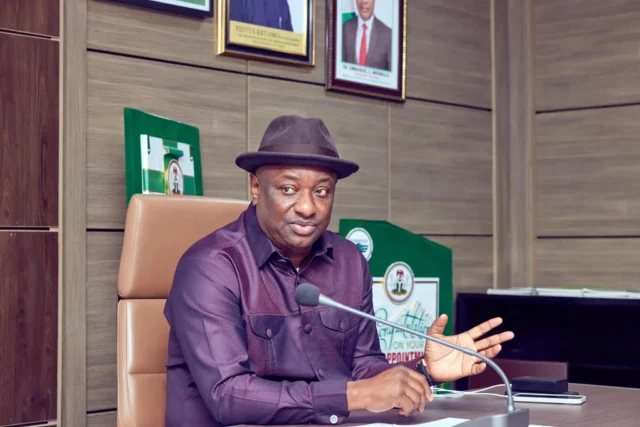
Festus Keyamo

President Bola Ahmed Tinubu has approved a series of relief measures for Nigeria’s struggling aviation sector, including plans to waive debts owed by domestic airlines and reduce multiple taxes and levies on air tickets, as the industry grapples with soaring Jet A1 fuel costs.

The Minister of Aviation and Aerospace Development, Festus Keyamo, disclosed the development after a high-level meeting with airline operators and oil marketers in Abuja convened to address the sharp rise in aviation fuel prices.

Keyamo said the President had directed his ministry to submit proposals aimed at easing the financial burden on airlines, starting with debt relief owed to key aviation agencies. “I had the privilege of meeting Mr. President to brief him about the meeting, and Mr. President mandated us to quickly bring a request to him. The first request that he will consider and grant is a generous discount on the debts the airlines are owing the aviation agencies, NAMA, FAAN, NCAA, and so on and so forth,” he said.

He added that the final decision on the scale of the debt relief would be determined by the President, noting that Tinubu was deeply concerned about the challenges facing the sector. According to him, the President also conveyed appreciation to airline operators for sustaining operations under difficult conditions.

Beyond debt relief, the government is also moving to address the longstanding issue of multiple taxation in the aviation industry. Keyamo revealed that the President has approved plans to establish a committee to review and streamline levies, taxes, and fees imposed on domestic tickets.

“The second request Mr. President has asked that we should bring for him to consider fully and grant is that he wants to set up a committee to address the issue of levies, taxes, and fees on domestic tickets once and for all,” Keyamo said. He added that the committee would be given a strict timeline to recommend which charges could be removed to provide immediate relief for both operators and passengers.

The minister also disclosed that the President is planning a direct engagement with airline operators to explore broader reforms, including access to affordable financing for the sector.

Responding on behalf of operators, Chairman of Air Peace, Allen Onyema, urged the government to go further by granting a full waiver of airline debts rather than partial relief. He also called for a temporary suspension of payments to aviation agencies until global supply disruptions ease, particularly those linked to tensions affecting the Strait of Hormuz.

Onyema commended the President’s responsiveness, citing the swift removal of the 4 per cent Free on Board charge for airlines, but stressed that deeper structural reforms were needed to sustain the industry. He highlighted the high cost of financing in Nigeria as a major constraint, noting that while airlines globally access funding at about three per cent interest, Nigerian operators face rates as high as 30 to 35 per cent.

“In Nigeria, we acquire at 30 to 35 per cent. This is killing. That’s why airlines owe FAAN, owe NCAA, owe everybody, because we are the sacrificial lambs. It’s not a lucrative business,” Onyema said, urging the government to strengthen funding for the Bank of Industry to enable access to single-digit interest loans.

Presidency Clears Air: Edun, Dangiwa Resigned, Not Sacked

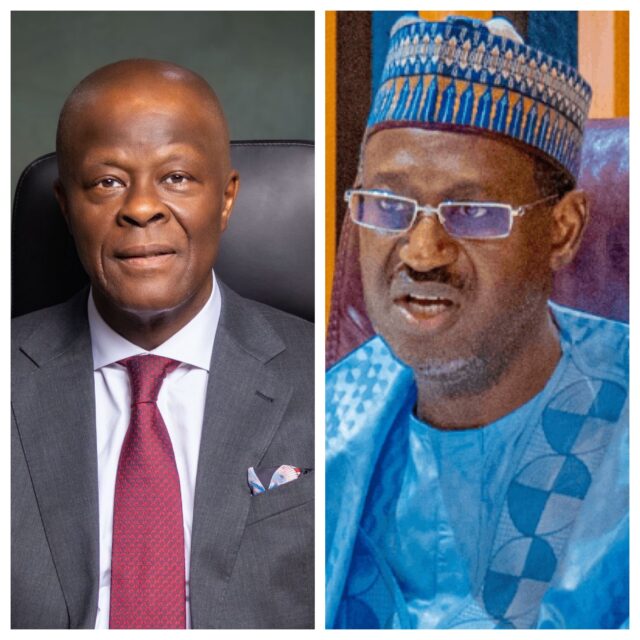
Wale Edun (left), and Ahmed Musa Dangiwa

The Presidency has clarified that former Minister of Finance and Coordinating Minister of the Economy, Wale Edun, and former Minister of Housing and Urban Development, Ahmed Musa Dangiwa, voluntarily resigned from their positions, countering earlier reports suggesting they were removed from office.

According to official details released by the Presidency, Edun tendered his resignation on health grounds prior to the announcement of his replacement by President Bola Ahmed Tinubu. The former minister, who recently turned 70, is said to have been managing health challenges and opted to step down to focus on his wellbeing and private business interests.

In his resignation letter, Edun expressed appreciation to the President, describing his time in office as both an honour and a privilege. “It has been a pleasure and privilege to serve your administration and the Renewed Hope Agenda,” he wrote, adding that “under your leadership, Nigeria has emerged stronger, more resilient and more internationally respected.” He further wished the administration success going forward.

Before his exit was formally announced, Edun paid a valedictory visit to the President at the Presidential Villa, where both men held a closed-door meeting lasting about an hour. He subsequently departed to pursue private engagements after leaving public office.

Similarly, Dangiwa also resigned his position and thanked the President for the opportunity to serve in the Federal Executive Council. His tenure followed a career that included serving as Managing Director of the Federal Mortgage Bank and Secretary to the Katsina State Government before his ministerial appointment in August 2023.

President Tinubu, in response, expressed appreciation to both former ministers for their service, acknowledging their contributions to the administration’s economic reform programme and national development efforts. He wished them success in their future endeavours.

In the wake of the resignations, the President appointed Taiwo Oyedele as the new Minister of Finance and Coordinating Minister of the Economy, urging him to consolidate ongoing reforms and advance fiscal objectives with “renewed focus, discipline, and innovation.”

The President is also expected to forward the nomination of Muttaqha Rabe Darma as the new Minister of Housing and Urban Development to the Senate for confirmation.

Edun’s exit marks the end of a long career in public and private finance, which included serving as Lagos State Commissioner for Finance during Tinubu’s tenure as governor and holding senior roles in international finance and investment banking.

DSS Arraigns El-Rufai Over Alleged Phone Tapping of NSA, Court Adjourns Bail Hearing

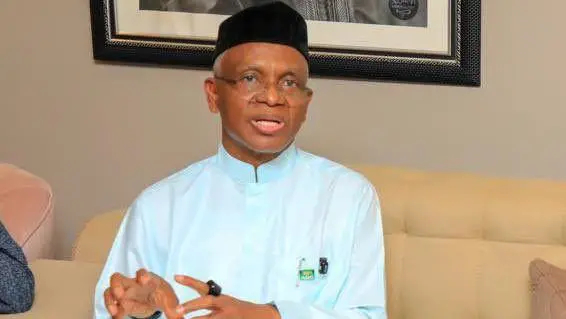
Nasir El-Rufai
The Department of State Services (DSS) has arraigned former Kaduna State governor, Nasir El-Rufai, before a Federal High Court in Abuja on a five-count amended charge bordering on alleged violations of Nigeria’s cybercrime laws.

The charges, filed by the DSS on behalf of the Federal Government, accuse El-Rufai of unlawfully intercepting and tapping the telephone communications of the National Security Adviser, Nuhu Ribadu, in breach of provisions of the Cybercrimes (Prohibition, Prevention, Amendment) Act, 2024, as well as the Nigerian Communications Act, 2003.

According to the prosecution, the alleged offences relate in part to statements made by the former governor during a February 13, 2026 interview on ARISE TV, where he reportedly discussed intercepting the NSA’s communications. The DSS further accused him of engaging in illegal surveillance activities that constitute a national security breach.

When the charges were read in court, El-Rufai pleaded not guilty to all counts. Following his plea, the prosecution urged the court to grant an accelerated hearing, stating its readiness to establish its case within a short timeframe.

Counsel to the defendant subsequently raised an application for bail, which presiding judge, Joyce Abdulmalik, said would be considered at the next adjourned date. The court fixed May 18, 2026, for further proceedings, including the hearing of the bail application.

The case adds to the legal challenges facing the former governor, who is also standing trial in a separate matter instituted by the Independent Corrupt Practices and Other Related Offences Commission (ICPC) over allegations of an ₦11 billion fraud during his tenure in Kaduna State.

FIFPRO Rejects New Madrid Group, Cites ‘Lack of Legitimacy’

Global footballers’ union FIFPRO has sharply criticised a newly proposed international player group unveiled in Madrid, warning that the initiative lacks legitimacy and may not serve the interests of professional footballers worldwide.

In a statement issued on Thursday, FIFPRO said it had been closely monitoring the development of the player group concept introduced by the president of the Spanish players’ union, AFE. While acknowledging AFE’s longstanding contribution to representing footballers in Spain, the global body expressed strong reservations about the new initiative.

“FIFPRO recognises the strong work over several decades of AFE for men’s football players in Spain,” the organisation said, adding that the concept announced in Madrid “appears nothing more than a speculative attempt to boost his own standing through a group which lacks the fundamental legitimacy to represent professional footballers globally.”

The development comes amid growing tensions within global football governance, following the launch of a rival international players’ body led by AFE president David Aganzo, which is seeking to challenge FIFPRO’s long-established role as the primary representative of professional footballers.

FIFPRO further argued that the proposed structure is not rooted in a genuine mandate from players, stating that “the evidence shows his concept is driven by personal motives rather than a mandate from players around the world.”

Reaffirming its own position, FIFPRO said player representation must be “responsible and sustainable,” built through independent and accountable structures that reflect the collective voice of footballers. The organisation noted that it currently represents more than 60,000 players through 70 national unions and is formally recognised by major international institutions and football governing bodies.

The union also highlighted internal developments that contributed to the current rift, noting that governance reforms within FIFPRO led to the AFE president losing his position within the global body. It added that AFE subsequently ended its affiliation with FIFPRO, a move it said has weakened international support systems for Spanish players.

According to FIFPRO, concerns have also been raised over the groups now being engaged by AFE leadership, alleging that some lack democratic mandates or have previously been expelled from FIFPRO due to governance issues. The organisation warned that “such an approach to player representation is not in the best interests of professional footballers.”

FG Scales Up Nursing Training to 110,000 in Major Health Reform Drive

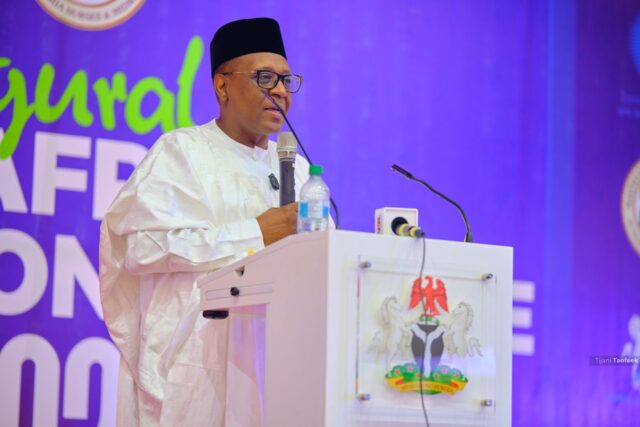
Minister of Health and Social Welfare, Muhammad Ali Pate

The Federal Government has significantly increased Nigeria’s nursing and midwifery training capacity to over 110,000 in the 2024–2025 academic cycle, up from 28,000 in 2023, in a major push to strengthen the country’s health workforce and improve service delivery nationwide.

The announcement was made by the Coordinating Minister of Health and Social Welfare, Muhammad Ali Pate, at the opening of the 2026 Commonwealth Nurses and Midwives Federation conference hosted in Nigeria. He described nurses and midwives as central to the delivery of healthcare services, stressing that the expansion is aimed at closing workforce gaps while improving access and quality of care.

“This scale-up reflects our focus on building a health system that is supported by a well-trained, motivated, and adequately equipped workforce,” Pate said.

The expansion forms part of broader reforms under the Health Sector Renewal Investment Initiative aligned with the Renewed Hope Agenda of President Bola Ahmed Tinubu, which prioritises workforce development, improved governance, and expanded access to healthcare services.

In addition to the training expansion, the government has intensified efforts to strengthen the health system through workforce development and institutional reforms. Over 70,000 frontline health workers have been retrained nationwide, while more than 20,000 health professionals have been recruited into federal health institutions over the past two years. Authorities say coordination across all tiers of government has also improved through the Sector-Wide Approach framework.

Nigeria has also adopted global best practices to enhance healthcare delivery, including the introduction of the Best Practice Spotlight Organization model in partnership with the Registered Nurses’ Association of Ontario, aimed at improving standards in critical areas such as maternal and newborn health.

A National Strategic Plan for Nursing and Midwifery has also been developed to guide training, leadership development, and service delivery across the sector, as part of efforts to institutionalise reforms and ensure sustainability.

According to the minister, these initiatives are already yielding results, with millions of Nigerians accessing primary healthcare services each quarter. He added that health insurance coverage has expanded from 16 million to nearly 22 million enrollees, reflecting gradual improvements in access to care.

Pate noted that hosting the Commonwealth conference provides Nigeria with an opportunity to strengthen international collaboration and exchange practical solutions to shared health workforce challenges.

Ogun APC Consensus Sparks Debate as Iyabo Obasanjo Alleges Exclusion, Backs Adeola

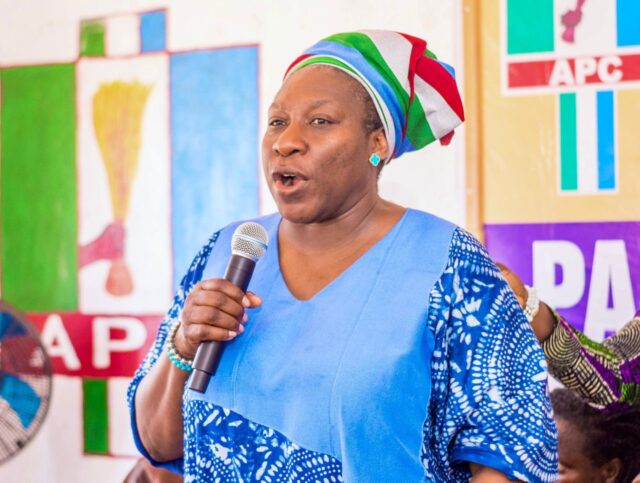
Iyabo Obasanjo

Fresh concerns over internal cohesion have emerged within the All Progressives Congress (APC) in Ogun State, following claims of exclusion and misconduct during the party’s recent consensus process that produced Senator Solomon Olamilekan Adeola, also known as YAYI, as its governorship candidate for 2027.

Former aspirant, Iyabo Obasanjo, raised the concerns in a detailed statement after the APC caucus meeting held on April 13, 2026, where Adeola was announced as the party’s consensus choice. While reaffirming her loyalty to the party and support for the candidate, Obasanjo said aspects of the process fell short of the inclusiveness expected of a consensus arrangement.

She maintained that she had consistently advocated consensus as a strategy to reduce tensions and ensure party unity, adding that she honoured her commitment by stepping down immediately after the announcement. “I made it clear that I would abide by the outcome of any consensus arrangement, regardless of its direction and I have remained true to that commitment,” she said.

However, she alleged that some of her supporters were denied access to the meeting venue, with two reportedly assaulted by a party functionary. “On the day of the meeting, some of my supporters were denied entry and regrettably, two were physically assaulted by a party functionary… the incident required medical attention for those affected,” she stated, describing the development as inconsistent with the party’s values.

Obasanjo also expressed concern over what she described as selective recognition of aspirants who stepped down, noting that she and another aspirant, Tunde Lemo, were present at the meeting but were not acknowledged. She argued that her campaign had built significant grassroots momentum across Ogun Central, Ogun East, and Ogun West through extensive consultations with party stakeholders.

Despite the grievances, she reiterated her commitment to the APC and pledged support for Adeola’s candidacy, as well as for President Bola Ahmed Tinubu. “That said, my loyalty to the APC remains unwavering. I am not defecting and I will continue to support the success of our party, including the candidacy of Senator Adeola,” she said.

She further urged party leaders to adopt a more inclusive approach going forward, stressing that unity must go beyond consensus to include recognition and respect for all stakeholders. “True unity is not achieved by consensus alone, but through recognition, respect and collective engagement,” she added.

Tinubu Approves ₦17bn Grassroots Fund for 8,804 Wards, Elevates Zaria Health Centre to National Institute

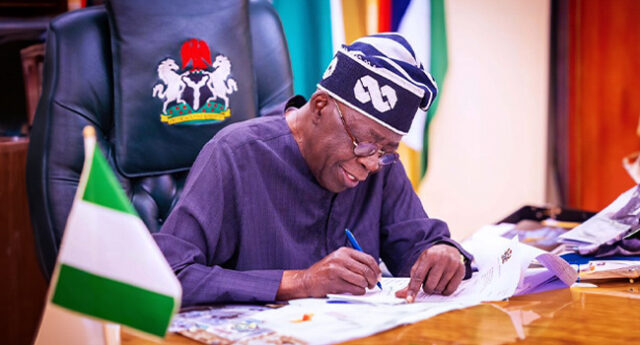
President Bola Tinubu

President Bola Ahmed Tinubu has approved a ₦17 billion community-led development fund targeting all 8,804 wards across Nigeria, alongside the upgrade of a key health institution in Zaria to strengthen the country’s public health capacity.

The new initiative, anchored on the establishment of a Community-Based National Social Action Fund Taskforce, is designed to accelerate socio-economic development at the grassroots by empowering communities to identify and execute priority projects tailored to their local needs. Each ward will work through a verified community-based organisation or association to deliver interventions under the programme.

The approval builds on earlier reforms introduced by the Federal Government, including the creation of the Social Action Fund in September 2023 and the rollout of a Community-Based Procurement Platform in January 2026, which simplifies access for grassroots organisations to execute projects valued at up to ₦50 million.

To drive implementation, the government set a timeline which began on March 1, 2026, with completion expected by December 2026. Oversight will be handled by a Programme Management Unit domiciled within the Sector-Wide Approach Coordination Office of the Federal Ministry of Health and Social Welfare.

Funding for the initiative will be drawn from a ring-fenced intervention account, with the Federal Ministry of Finance and the Office of the Accountant-General of the Federation directed to release the ₦17 billion to support execution, monitoring, and accountability.

Speaking on the initiative, Coordinating Minister of Health and Social Welfare, Muhammad Ali Pate, said the programme represents a shift toward locally driven development. “This approach places communities at the centre of development. By enabling each ward to identify and implement its priority needs, we are unlocking practical solutions that directly improve livelihoods and strengthen service delivery where it matters most,” he said.

Pate explained that interventions under the scheme would span critical areas such as nutrition support, provision of essential health commodities including micronutrients and therapeutic foods, and minor infrastructure upgrades in schools, health facilities, and sanitation systems.

In a related development, President Tinubu also approved the upgrade of the National Tuberculosis and Leprosy Training Centre in Zaria to the National Institute of Public Health and Infectious Diseases, a move aimed at bolstering Nigeria’s capacity for disease surveillance, emergency preparedness, and rapid response.

The upgraded institute is expected to serve as a multidisciplinary hub for public health training, research, and workforce development, expanding access to advanced learning and strengthening the country’s readiness to manage infectious disease threats.

EDITOR PICKS

Recent Posts