NLC Demands Wage Awards, Tax Relief as Petrol Prices Hit N1,300 Amid US-Israel-Iran War

The Nigeria Labour Congress has issued a stark warning over the dramatic spike in petrol prices, directly blaming escalating military tensions between the United States, Israel and Iran for pushing Nigerian workers deeper into economic hardship.

In a statement issued on Sunday and signed by NLC President Joe Ajaero, the labour body declared that the surge has left millions of workers “bearing the brutal cost of a global capitalist crisis they did not create.” Petrol now sells between N1,170 and N1,300 per litre across the country, triggering fresh alarm over transportation costs and galloping food inflation.

“This is a direct assault on the Nigerian people,” the NLC stated. “While imperialist rivalries play out abroad with bombs and military escalation, Nigeria’s working class is being bombarded with poverty and hunger because we have failed to ensure that our public refineries are operational.”

The congress said the price crisis has brutally exposed the fragility of Nigeria’s downstream petroleum sector and stripped away any illusion that local refining alone can shield the country from global shocks. It noted that even the Dangote Refinery has adjusted prices in line with international volatility, passing the burden straight to ordinary citizens.

At the heart of its demands, the NLC is calling on the Federal Government to immediately revive the nation’s public refineries in Port Harcourt, Warri and Kaduna. “The government must immediately halt the decay of the public sector and ensure the full rehabilitation and operation of the Port Harcourt, Warri, and Kaduna refineries,” the statement insisted. “This is not a favour but the right of the Nigerian people.”

Alongside refinery revival, the labour union is demanding an immediate wage award and cost-of-living allowance for all workers, expanded and transparent cash transfers for vulnerable citizens adjusted to match inflation, and urgent tax relief including the suspension of regressive taxes on low-income earners.

The NLC further urged the government to channel the projected ₦30 trillion oil windfall — forecast by the Nigeria Economic Summit Group due to elevated global crude prices — directly to cushion the impact on Nigerians. “The about ₦30 trillion oil windfall expected to accrue to Nigeria as a result of the current Middle East war must not grow wings but should be invested in the Nigerian people,” the statement warned, referencing past unaccounted windfalls.

Joe Ajaero’s message carried a blunt ultimatum on governance priorities: “Using the Middle East war as an excuse to further impoverish Nigerians is unacceptable. The primary duty of government is to ensure the welfare of the citizenry. We demand action. We demand justice. We demand survival.”

As of Monday, no official response has been received from the Federal Government, leaving workers and vulnerable citizens anxiously awaiting concrete measures. The NLC stressed that when workers can no longer afford transport to their jobs or families cannot put three meals on the table, “society sits on a keg of gunpowder.”

The fresh intervention comes as Nigeria grapples with the dual reality of potential record oil revenue from the global crisis and immediate domestic pain at the pumps, with the labour body insisting the time for decisive intervention is now.

‘One Battle After Another’ Dominates Oscars With Six Wins

The satirical action-thriller One Battle After Another, directed by acclaimed filmmaker Paul Thomas Anderson, emerged as the biggest winner at the 98th Academy Awards, taking home six Oscars including the coveted Best Picture and Best Director prizes.

The film’s sweeping success at the ceremony in Los Angeles capped a dominant awards season for Anderson’s politically charged drama, which also won for Best Adapted Screenplay, Best Supporting Actor, Best Film Editing and the inaugural Best Casting award.

Speaking during his acceptance speech for Best Director, Anderson thanked his collaborators and reflected on the journey of making the film, calling the recognition “a profound personal and professional honor.”

The movie, loosely inspired by Thomas Pynchon’s novel Vineland, follows a former revolutionary struggling to protect his daughter from a dangerous enemy while confronting the consequences of his radical political past. The narrative blends action, dark satire and social commentary, exploring issues such as political extremism, immigration tensions, white supremacy and the long-term costs of activism.

Hollywood veteran Sean Penn earned the Oscar for Best Supporting Actor for his role in the film, while Anderson’s screenplay adaptation also drew praise for its sharp political edge and complex storytelling.

One Battle After Another received 13 Academy Award nominations heading into the ceremony, making it one of the most nominated films of the year and a strong contender throughout the awards season.

The triumph marks a milestone for Anderson, whose earlier films such as There Will Be Blood, Phantom Thread, and Licorice Pizza had received critical acclaim and multiple nominations but had not secured him the Academy’s top directing honor until now.

The Oscars ceremony, hosted by Conan O’Brien, featured several politically charged moments from presenters and winners, reflecting broader global debates and tensions that have influenced contemporary cinema.

With its blend of political satire, action-driven storytelling and emotional family drama, One Battle After Another has cemented its place as one of the defining films of the year, reinforcing Anderson’s reputation as one of modern cinema’s most distinctive directors.

Tinubu Swears in Oyedele as Finance Minister of State

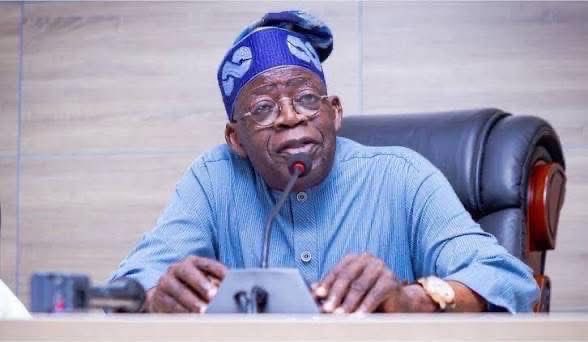
President Bola Ahmed Tinubu on Monday formally swore in renowned tax expert Taiwo Oyedele as Nigeria’s Minister of State for Finance, describing the appointment as a vote of confidence in his expertise and commitment to reforming the country’s fiscal system.

The swearing-in ceremony took place at the Presidential Villa in Abuja, where the president commended Oyedele for his work as chairman of the Presidential Committee on Fiscal Policy and Tax Reforms, saying his leadership had been instrumental in shaping ongoing tax reform efforts aimed at strengthening Nigeria’s economy.

Speaking shortly after administering the oath of office, Tinubu praised the new minister’s professionalism and dedication to public service, noting that his work had helped lay the groundwork for a more efficient and transparent tax system. “We are very proud of your knowledge, your simplicity, ambition, and excellence,” the president said.

Tinubu also acknowledged the demanding nature of the new role and commended Oyedele’s family for supporting him through years of intensive professional commitment. Addressing the minister’s wife during the ceremony, the president said: “I congratulate your wife for standing up to our challenge of time management and long hours of absence. This is additional responsibility, and I hope you will encourage and support him.”

The president further described Oyedele as a dedicated professional whose contributions to tax reform have helped reshape Nigeria’s fiscal policy landscape. According to him, the reforms coordinated by Oyedele were designed to simplify the tax system, expand the country’s revenue base and improve the business environment.

“Thank you for accepting to serve your country, especially for reforming the entire tax policy of this country that was obsolete and fundamentally against every progressive thinking,” Tinubu said. “You are a very dedicated and highly determined individual. It didn’t take much for me to decide where you fit and where you need to be to further help with the economy.”

The president acknowledged that managing fiscal policy during a period of economic adjustment presents significant challenges but expressed confidence in Oyedele’s ability to contribute meaningfully to economic stability and growth. “It is a very challenging job because we look at the fiscal policy and responsibility that come with it at the time that economic stability is being experienced, but without exponential growth. It’s always very difficult, but you are fit to be there,” he said.

Oyedele, an economist, accountant and public policy expert from Ikaram-Akoko in Ondo State, brings decades of experience in fiscal policy and taxation to the role. Before joining government, he spent 22 years with PricewaterhouseCoopers, where he rose to become Fiscal Policy Partner and Africa Tax Leader after joining the firm in 2001.

He holds a Higher National Diploma in Accountancy and Finance from Yaba College of Technology and later earned a Bachelor of Science degree in Applied Accounting from Oxford Brookes University. He has also completed executive education programmes at leading global institutions including the London School of Economics, Yale University, the Gordon Institute of Business Science, and the Harvard Kennedy School.

In addition to his government and professional roles, Oyedele is a professor at Babcock University in Ogun State and serves as a visiting scholar at the Lagos Business School.

Chelsea Hit with Record £10.75m Fine, Suspended Transfer Ban

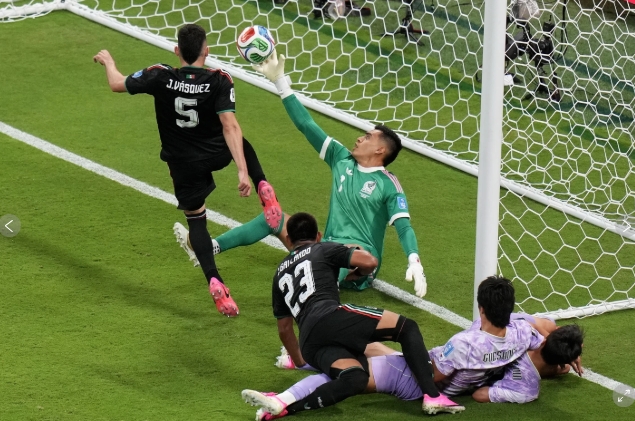
Chelsea Football Club has been handed the Premier League’s largest-ever financial penalty along with a suspended one-year first-team transfer ban and an immediate nine-month academy registration ban after admitting to historical rule breaches spanning two separate investigations.

The sanctions, ratified on Monday by an independent commission following two sanction agreements, stem from breaches of rules on financial reporting, third-party investment and youth development. Chelsea self-reported the issues voluntarily, first in 2022 after its takeover by the Boehly-Clearlake consortium and again in 2025, leading to what the Premier League described as “exceptional cooperation” throughout the probes.

Between 2011 and 2018, under previous owner Roman Abramovich, undisclosed payments were made by third parties associated with the club to players, unregistered agents and other individuals. These payments, which should have been recorded as club expenses, were not disclosed to the Premier League or other football authorities at the time. The club also accepted that the actions breached its obligation to act in good faith.

The Premier League confirmed that even if the payments had been properly included in Chelsea’s historical accounts, the club would not have breached Profitability and Sustainability Rules in any scenario. As a result, no points deduction or other sporting sanction was imposed beyond the suspended ban.

Former Chelsea owner Roman Abramovich

A separate probe covered breaches of Youth Development Rules between 2019 and 2022 involving the registration of academy players by a former senior employee. Chelsea self-reported this after receiving documents from an unrelated third party in 2025.The club has accepted a £10m fine for the financial and third-party breaches plus a £750,000 fine for the academy matters, totalling £10.75m – eclipsing the previous record of £5.5m handed to West Ham in 2007. The one-year first-team transfer ban is suspended for two years and will only be activated if Chelsea commits further similar offences. The nine-month academy transfer ban applies immediately to players previously registered with other Premier League or EFL academies, with specific exemptions for existing players and first-time Under-9 registrations.

In its official statement, the Premier League highlighted the mitigating factors: “The club’s proactive self-reporting, admissions of breach and exceptional cooperation throughout the investigation acted as significant mitigating factors.” Without this cooperation, the league noted a two-year active ban would have been appropriate.

Chelsea welcomed the outcome. “From the outset of this process, the club has treated these matters with the utmost seriousness, providing full cooperation to all relevant regulators,” the club said in a statement. “The club welcomes the recognition from the Premier League of its ‘exceptional cooperation’ and that ‘without those voluntary disclosures and the act of self-reporting, a number of the Premier League rule breaches may never have come to the attention of the league’.

”Head coach Liam Rosenior played down any distraction. “It’s not a negative distraction. Actually, that’s a line drawn through that issue and we can move on and plan to make this club as strong as possible in the long-term,” he said. “That’s the idea from the ownership, myself and everybody involved in the club.”

The sanctions take effect immediately, with Chelsea also covering the full costs of the investigations. A separate disciplinary process with the Football Association over alleged breaches of agent regulations remains ongoing, while UEFA previously imposed a €10m settlement in 2023 for related incomplete financial reporting.

The club’s new ownership has stressed its commitment to full transparency, closing the chapter on irregularities uncovered during the 2022 due diligence process. Chelsea can still conduct business in the upcoming transfer windows provided it adheres to the terms of the suspended ban.

Nigeria, Egypt Deepen Military Cooperation

Chief of Army Staff, Lieutenant General Waidi Shaibu (right) and Egyptian Defence Attaché to Nigeria, Colonel Mohammed Ibrahim in Abuja on Thursday. Photo: Nigerian Army

The Nigerian Army and the Egyptian Army have moved to strengthen their military partnership as both countries seek to enhance their capacity to confront evolving security threats across their regions.

The commitment was reaffirmed on Thursday when the Chief of Army Staff, Lieutenant General Waidi Shaibu, received the Egyptian Defence Attaché to Nigeria, Colonel Mohammed Ibrahim, during a courtesy visit to Army Headquarters in Abuja.

Speaking during the meeting, Shaibu reiterated the Nigerian Army’s resolve to deepen cooperation with friendly nations, particularly in the area of advanced professional training designed to address modern security challenges. He described Nigeria’s military relationship with Egypt as longstanding and mutually beneficial, noting that collaboration between the two armies has played an important role in strengthening operational capability and professional development.

“Nigeria maintains a longstanding and mutually beneficial military relationship with Egypt,” the army chief said, adding that cooperation through advanced military courses, training exchanges and professional military education remains essential to preparing personnel to confront contemporary threats.

Shaibu also noted that several officers of the Nigerian Army have benefited from specialized and advanced military training programmes in Egypt over the years. According to him, the experience gained from those programmes has significantly contributed to building the professional competence of the force and enhancing its operational effectiveness.

He said the Nigerian Army is ready to expand the scope of such training opportunities to further equip personnel with the knowledge and skills required to respond to complex security threats. The army chief also emphasized the importance of strengthening institutional linkages between both militaries, particularly through strategic-level training and participation in programmes at the Nigerian Army War College.

Shaibu explained that deeper engagement between the two institutions would promote knowledge exchange, reinforce professional ties and improve the ability of both armies to jointly confront emerging threats. As part of efforts to sustain the relationship, he extended an invitation to the Egyptian Army to participate in the Nigerian Army Day Celebration 2026, scheduled to hold in July.

The army chief also stressed the need to explore additional areas of cooperation, particularly in the development of aviation capabilities and operational support systems. He noted that stronger collaboration in these areas would help improve operational readiness, technological innovation and overall mission effectiveness.

Earlier in his remarks, Ibrahim said his visit was aimed at reviewing the implementation of the Nigeria–Egypt Military Cooperation Memorandum of Understanding 2024 signed between the two countries. He disclosed that notable progress had already been made in executing several aspects of the agreement, especially in the area of training cooperation.

The Egyptian defence attaché added that preparations were underway for the next Military Committee Meeting between the two countries, which is expected to take place later this year in Cairo.

Ibrahim reaffirmed Egypt’s commitment to expanding its military collaboration with Nigeria, particularly in advanced training and intelligence sharing, which he said would help both nations address contemporary security challenges.

Goldman Sachs Predicts Higher Inflation, Slower Growth as Oil Prices Surge

The investment banking giant Goldman Sachs has warned that the ongoing conflict involving Iran could slow economic growth and push inflation higher in the United States this year, adding fresh uncertainty to the global economic outlook as energy prices surge.

In a research note released early Thursday, economists at the Wall Street firm said the war is likely to have a sustained, though relatively modest, impact on the U.S. economy. According to the bank, the conflict could drive up energy costs, increase unemployment slightly and slow the pace of economic expansion, particularly if oil prices remain elevated in the coming months.

The bank’s revised outlook suggests that the Federal Reserve may delay interest rate cuts until September, later than previously expected, as policymakers grapple with inflationary pressures triggered by rising energy costs. The development comes as American households continue to face elevated prices for gasoline, utilities and possibly food items ahead of national elections later this year.

Prior to the outbreak of the war, Goldman Sachs had projected that inflation would gradually ease as the economic effects of tariffs imposed during the administration of Donald Trump faded. However, the bank now expects the Federal Reserve’s preferred measure of inflation to end the year at around 2.9 percent, still above the central bank’s target of 2 percent.

The forecast is based on an assumption that average oil prices will climb roughly 40 percent to about $98 per barrel during March and April. Should the conflict push prices even higher, averaging around $110 per barrel during the same period, Goldman economists estimate inflation could rise to about 3.3 percent.

The outlook reflects growing concern in global financial markets that geopolitical tensions in the Middle East could disrupt energy supplies and fuel price volatility. Rising oil prices often ripple through the broader economy by increasing transportation and production costs, which can eventually translate into higher prices for consumer goods and services.

Economists say the evolving situation will remain closely tied to developments in the energy market and the duration of the conflict. For now, Goldman Sachs believes the economic impact will be manageable but significant enough to influence monetary policy decisions and the cost of living for American consumers over the coming months.

Iran Warns Trump After Threat to Target Power Grid

US President Donald Trump

A senior Iranian official has issued a stark warning to Donald Trump, saying any attack on Iran’s electricity infrastructure could trigger a wider regional crisis, as tensions continue to escalate in the ongoing conflict involving the United States, Iran, and their regional allies.

The warning came from Ali Larijani, a top Iranian security official and secretary of the Supreme National Security Council of Iran, who responded on the social media platform X to remarks by Trump suggesting that American forces could target Iran’s electricity facilities. Larijani cautioned that striking the country’s power infrastructure could have consequences far beyond Iran’s borders.

According to Larijani, disabling Iran’s power grid could plunge large parts of the region into darkness and create new security risks for U.S. forces stationed across the Middle East. He warned that destroying Iran’s electricity system would quickly cause a regional blackout and said the darkness “would provide a good opportunity to hunt fleeing American soldiers in the region.”

The exchange reflects growing hostility between Tehran and Washington as the conflict intensifies. Trump had earlier warned that if Iran disrupted key energy routes or threatened U.S. interests, the United States would retaliate with overwhelming force and expand the range of potential targets inside Iran.

Larijani has also dismissed what he described as U.S. threats, insisting that Iran would not be intimidated. In earlier remarks posted online, he said Iran was not afraid of what he called Washington’s “empty threats” and cautioned the U.S. president to “take care of yourself not to be eliminated.”

Iran’s New Leader Vows Revenge Against Enemies

Mojtaba Khamenei

Iran’s new leader, Mojtaba Khamenei, has revealed that he personally saw the body of his father following a deadly airstrike that killed several members of his family, as he vowed that Iran would pursue retaliation against its enemies amid the escalating regional war.

In a written message addressed to Iranian fighters and supporters, Mojtaba Khamenei confirmed the death of his father, Iran’s former supreme leader Ali Khamenei, along with other close relatives during an airstrike earlier in the conflict. The message, which was not delivered on camera, offered a rare and emotional account of the aftermath of the strike and underscored the new leader’s determination to continue Iran’s military response.

“I had the honor of seeing his body after his martyrdom,” Khamenei said of his father. “What I saw was a mountain of steadfastness, and I was told that the fist of his intact hand had been clenched.”

The statement also confirmed the deaths of several other family members in the same attack, including his wife, one of his sisters, his niece and the husband of another sister. The revelation marks one of the most personal acknowledgements yet from Iran’s leadership since the outbreak of the conflict, which has sharply escalated tensions across the Middle East.

Addressing Iranian fighters in the message, Mojtaba Khamenei called for continued resistance against what he described as hostile forces targeting the country. “Dear combatant brothers, the demand of the masses is the continuation of an effective and regret-inducing defense,” he said, urging supporters to maintain pressure on adversaries.

He also indicated that Iran would continue to explore military options beyond the current battlefield. According to Khamenei, “The lever of closing the Strait of Hormuz must certainly continue to be used as well,” adding that studies had been conducted on opening other fronts where adversaries would be “highly vulnerable.” He said such steps could be activated if the war continues and depending on strategic considerations.

The new leader further vowed that Iran would pursue a broad campaign of retaliation for those killed in the conflict, including civilians. “I assure everyone that we will not refrain from avenging the blood of your martyrs,” he said. “The retaliation we have in mind is not limited only to the martyrdom of the great leader of the Revolution; rather, every member of the nation who is martyred by the enemy constitutes a separate case in the file of revenge.”

According to Khamenei, some retaliatory actions have already taken place but further steps remain under consideration. “A limited portion of this retaliation has already taken tangible form, but until it is fully achieved, this file will remain open above other cases,” he said.

He also singled out attacks that he said had targeted civilians, including an incident involving the Shajareh-Tayyebeh school in the southern Iranian city of Minab, saying such cases would receive particular attention in Iran’s pursuit of accountability. “We will be especially sensitive regarding the blood of our children,” he said.

Khamenei warned that Iran would seek compensation from those it considers responsible for the attacks. “One point I must emphasize is that, in any case, we will obtain compensation from the enemy. If it refuses, we will take from its assets to the extent we deem appropriate, and if that is not possible, we will destroy its assets to the same extent,” he said.

He also issued a warning to countries hosting foreign military bases in the region, urging them to reconsider their positions. “These countries must clarify their position regarding those who have attacked our beloved homeland and killed members of our people,” he said. “I recommend that they shut down those bases as soon as possible, because by now they must have realized that the United States’ claims of providing security and peace have been nothing more than a lie.”

IEA Plans Record Oil Reserve Release to Stabilise Global Prices

An oil tanker unloads in London on Wednesday.

Global oil prices held relatively steady on Wednesday after the International Energy Agency (IEA) announced the largest coordinated release of emergency crude reserves in history, a move aimed at calming energy markets rattled by escalating geopolitical tensions and supply disruptions.

The Paris-based energy watchdog said its 32 member countries had agreed to release about 400 million barrels of oil from strategic stockpiles, a record intervention designed to stabilize prices that surged sharply following the ongoing conflict involving Iran and disruptions to shipping routes in the Middle East.

Oil futures initially fluctuated before stabilizing as traders assessed whether the unprecedented release would be sufficient to offset supply losses and prevent further price spikes. Prices had earlier climbed from the mid-$60 range to nearly $120 per barrel within days, reflecting fears of a prolonged disruption to global energy supplies.

Announcing the move, the IEA said the coordinated action had received unanimous backing from its member states as governments sought to cushion the global economy from the impact of soaring energy costs. The planned drawdown is expected to exceed previous emergency releases, including the roughly 182 million barrels released during the 2022 energy crisis following Russia’s invasion of Ukraine.

Energy officials said the intervention is intended to inject additional crude into the market while diplomatic and military efforts continue to address disruptions in key shipping lanes. Much of the concern centers on instability around the Strait of Hormuz, a strategic chokepoint through which roughly one-fifth of the world’s oil supply normally passes.

Despite the announcement, analysts remain cautious about the effectiveness of the measure, noting that the pace of daily releases may fall short of the scale of current supply disruptions. Estimates suggest that even a release of around 3.3 million barrels per day would represent only a fraction of the volumes affected by the crisis.

Some government officials have defended the intervention as a necessary step to prevent further volatility. U.S. Interior Secretary Doug Burgum said the move could help ease market pressure, telling Fox News that “this is the perfect time to think about releasing some of those to take some pressure off of the global price.” He added that the situation reflects a temporary disruption to oil transport rather than a long-term shortage of supply.

The emergency release also coincides with discussions among leaders of the Group of Seven nations, who are weighing additional measures to stabilize global energy markets and prevent the crisis from fueling broader inflation and economic instability.

Strategic petroleum reserves are government-controlled stockpiles designed to protect economies from sudden supply shocks and energy crises. Countries participating in the IEA are generally required to maintain reserves equivalent to at least 90 days of net oil imports, allowing coordinated responses when global markets face severe disruptions.

Iran Player Makes Asylum U-Turn

Iran women's football team with Australia PM Anthony Albanese. Photo: AP

A member of the Iran women’s national football team has reversed her decision to seek asylum in Australia after the country granted humanitarian protection to several members of the visiting squad, triggering fresh diplomatic tensions and security concerns surrounding the athletes.

The player had initially been among members of the Iranian delegation who sought refuge in Australia following the team’s participation in the 2026 AFC Women’s Asian Cup. Australian authorities granted humanitarian visas to several of the players after they expressed fears of persecution if they returned to Iran. However, Australia’s Home Affairs Minister, Tony Burke, confirmed that one of the footballers later decided to withdraw her asylum request and return home.

“In Australia, people are able to change their mind, people are able to travel,” Burke told parliament, adding that the government respected the athlete’s decision despite the complex circumstances surrounding the case.

The change of heart came shortly after Australian authorities had granted humanitarian visas to two additional members of the delegation, bringing the number of players and staff seeking protection to seven. According to officials, the player who reversed her decision contacted the Iranian embassy in Canberra, a move that raised security concerns for the remaining asylum seekers.

Australian authorities subsequently relocated the remaining six players to a secure location after their original safe house was compromised. Officials said the relocation was necessary to protect the athletes from potential threats after their location became known.

The asylum requests followed controversy during the Asian Cup tournament in Australia, where several Iranian players reportedly declined to sing the national anthem before a match. Iranian state media later branded the players “traitors,” intensifying fears that they could face punishment or retaliation if they returned home.

Some members of the squad, including captain Zahra Ghanbari and players such as Fatemeh Pasandideh, Zahra Sarbali, Atefeh Ramezanizadeh and Mona Hamoudi, were among those who sought refuge in Australia after leaving the team’s training camp following the tournament.

The episode has sparked a diplomatic row between Tehran and Canberra. Iranian officials accused Australia of improperly influencing the athletes and even alleged that the country was holding them “hostage,” claims rejected by Australian authorities.

Burke said Australian officials had taken deliberate steps to ensure that each member of the delegation could make an independent decision about seeking asylum. He explained that players were spoken to individually and offered interpreters so they could decide freely whether to stay in Australia or return to Iran.

Despite the defection of several players, the majority of the Iranian delegation departed Sydney earlier in the week en route to Iran via Kuala Lumpur after their elimination from the tournament. Those granted humanitarian visas are expected to remain in Australia while exploring pathways to longer-term residency.

EDITOR PICKS

Recent Posts