Fresh scrutiny has been placed on Nigeria’s engagement of foreign lobbyists in the United States after a senior American lawmaker raised concerns about a multimillion-dollar influence campaign during a congressional hearing on religious freedom.
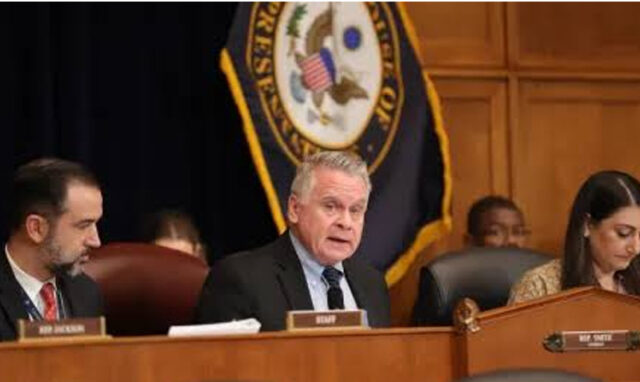
The issue came to the fore at a session of the US House Foreign Affairs Subcommittee on Africa, Global Health, Global Human Rights and International Organizations, where Chairman Rep. Chris Smith questioned Nigeria’s reported $9 million lobbying contract with Washington-based firm DCI Group, estimated at about $750,000 per month. He also referenced a separate arrangement involving a Nigerian billionaire said to be paying $120,000 monthly to public affairs firm Valcour.
Speaking during the hearing, Smith said the scale of the spending was troubling at a time when Nigeria continues to face intense international concern over insecurity and alleged violations of religious freedom. “Instead of addressing the underlying problems,” he said, the government appeared to be “spending millions to shape the narrative in Washington.”
The hearing focused broadly on violence affecting religious communities in Nigeria, particularly attacks linked to extremist groups and communal conflicts in parts of the country. Lawmakers and witnesses examined whether the Nigerian government was doing enough to protect vulnerable populations and ensure accountability for perpetrators.
Smith, a longtime advocate on global religious freedom issues, questioned the justification for the lobbying expenditure, arguing that resources should be directed toward improving security and justice for victims. He warned that “public relations campaigns cannot substitute for real protection on the ground.”
Documents filed under the US Foreign Agents Registration Act (FARA) indicate that the DCI Group contract was designed to support strategic communications and engagement with US policymakers and stakeholders. The arrangement reportedly aims to improve Nigeria’s image and strengthen bilateral relations at a time when the country is seeking investment and security cooperation.
The separate Valcour contract, highlighted during the hearing, was described as a private-sector initiative linked to business interests seeking policy engagement in Washington. Lawmakers did not allege illegality in either agreement but questioned the optics and priorities behind the spending.
The congressional scrutiny comes amid renewed debate in Washington over whether Nigeria should again be designated a “Country of Particular Concern” under US religious freedom laws — a status that could carry diplomatic and policy implications.