The Federal Government has announced a renewed push to strengthen domestic funding for the country’s health sector, warning that Nigeria cannot achieve Universal Health Coverage (UHC) by relying on dwindling international aid.
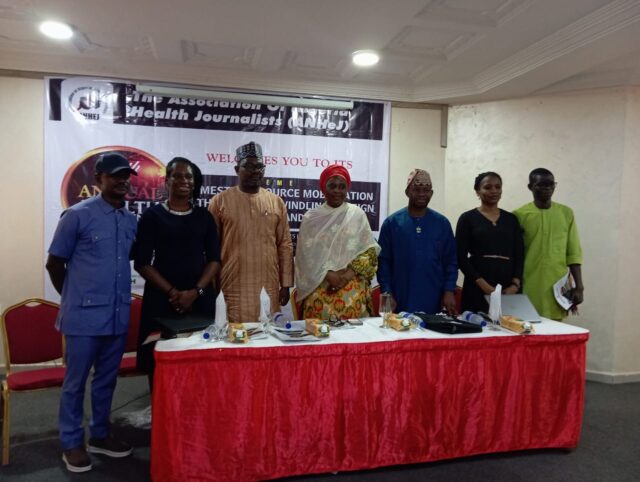
The declaration was made at the 9th Annual Health Conference of the Association of Nigerian Health Journalists (ANHeJ), where senior health officials and stakeholders emphasized the need for stronger local ownership of health financing.
Speaking at the event, Special Adviser to President Bola Ahmed Tinubu on Health, Dr. Salma Ibrahim Anas, said sustainable progress in the sector depends on Nigeria’s ability to finance its own health priorities. According to her, declining donor grants have made it imperative for the country to develop resilient internal funding structures capable of supporting long-term reforms. She noted that domestically driven financing also fosters accountability and ensures that policies remain aligned with national needs and realities.
Dr. Anas highlighted several ongoing efforts to widen the funding base, including strengthening the Basic Health Care Provision Fund (BHCPF), expanding financial protection mechanisms under the National Health Insurance Authority (NHIA) Act, and exploring new revenue streams such as the Sugar-Sweetened Beverages (SSB) Tax. These strategies, she said, will help Nigeria reduce out-of-pocket spending, expand insurance coverage and improve access to essential services, especially for vulnerable populations.
Participants at the conference stressed that state governments must play a more active role in financing health services. Many speakers renewed calls for states to fulfill the Abuja Declaration commitment of dedicating at least 15 percent of their annual budgets to health. They warned that several states continue to fall short of this target, undermining national efforts to build a stronger and more equitable health system.