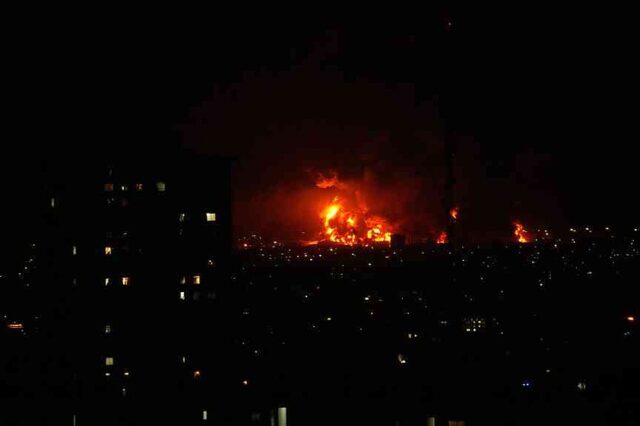
Finance ministers from the Group of Seven (G7) nations are set to hold an emergency meeting to address surging oil prices and growing turmoil in global financial markets triggered by escalating conflict in the Middle East. The urgent discussions come as crude prices soared above $100 per barrel and stock markets across Asia, Europe and North America fell sharply amid fears of major disruptions to global energy supplies.
The meeting, expected to take place virtually, will bring together finance ministers from the United States, United Kingdom, France, Germany, Italy, Canada and Japan, alongside officials from the International Energy Agency (IEA). Officials say the talks will focus on the possibility of releasing strategic petroleum reserves in an attempt to stabilize markets rattled by supply concerns.
Oil prices spiked dramatically at the start of the week, with Brent crude briefly climbing to around $119.50 per barrel before easing slightly as news of potential intervention emerged. Analysts attribute the surge to fears that escalating hostilities involving Iran could disrupt shipments through the Strait of Hormuz, a key global energy corridor through which roughly one-fifth of the world’s oil supply passes.
Japanese Finance Minister Satsuki Katayama said the IEA had urged G7 countries to consider a coordinated release of emergency reserves to calm the markets. According to reports, the proposal could involve releasing hundreds of millions of barrels from the strategic stockpiles held by member countries.
Financial markets reacted swiftly to the oil shock. Major stock indexes dropped as investors feared that higher energy costs could fuel inflation and slow economic growth. Japan’s Nikkei index fell nearly 5 percent while South Korea’s Kospi plunged about 6.5 percent, reflecting widespread concerns about the economic fallout from the geopolitical crisis.
The surge in energy prices has also raised alarm among policymakers about broader economic stability. Analysts warn that sustained disruptions in oil supply could push inflation higher and potentially slow global growth if prices remain elevated for a prolonged period. Some projections suggest oil prices could climb even further if shipping through the Strait of Hormuz continues to face disruptions.
Despite the urgency of the situation, G7 officials have yet to reach a consensus on whether to release oil reserves. French officials confirmed that the option remains under discussion, while some countries remain cautious about deploying strategic stockpiles unless supply disruptions worsen.
Energy analysts say the outcome of the emergency meeting could play a critical role in determining whether markets stabilize or face further volatility in the coming weeks. The International Energy Agency holds about 1.2 billion barrels of emergency oil reserves across its member countries, which can be tapped during major supply crises.