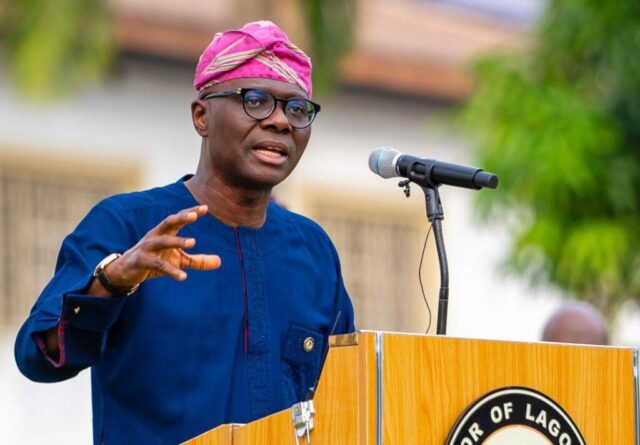
Governor Babajide Sanwo-Olu has announced that Lagos generated ₦1.3 trillion in internally generated revenue (IGR) in 2024, marking a significant leap in the state’s fiscal capacity amid ongoing economic reforms.
The governor disclosed the figure at the 159th meeting of the Joint Revenue Board, describing the performance as both “modest but significant,” while underscoring its impact on the state’s financial independence. He said, “In 2024, Lagos generated ₦1.3 trillion in internally generated revenue, a 45 per cent jump on the previous year, and IGR now finances over 60 per cent of our budget.”
Sanwo-Olu attributed the sharp increase to sustained investments in digital tax systems, expansion of the tax net, and improved engagement with taxpayers. According to him, the growth did not occur by chance but reflects deliberate policy choices over several years. “That has not happened by luck. It is the result of years of investment in digital tax systems, expanding our tax net, and building trust with our taxpayers,” he added.
The governor also highlighted Lagos’ broader economic significance, noting that the state contributes roughly a third of Nigeria’s gross domestic product and remains the country’s primary maritime gateway. He pointed out that key infrastructure, including the Apapa and Tin Can Island ports, continues to drive trade volumes, with Apapa Port alone processing exports worth ₦17 trillion in the first quarter of 2025.
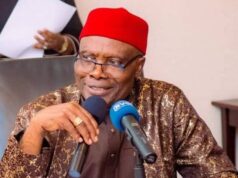
Speaking at the same event, Chairman of the Joint Revenue Board, Zacch Adedeji, credited Lagos’ revenue trajectory to long-term structural reforms, particularly those initiated during President Bola Tinubu’s tenure as governor. He noted that the state’s IGR has grown from less than ₦94 billion in 2007 to over ₦1.7 trillion in recent years, reflecting sustained institutional strengthening and improved tax administration.
Sanwo-Olu reaffirmed Lagos State’s readiness to collaborate with other sub-national governments by sharing data, aligning systems, and strengthening compliance frameworks to enhance revenue generation nationwide. He added that ongoing investments in infrastructure and economic corridors are designed to further expand the state’s revenue base and support long-term development.