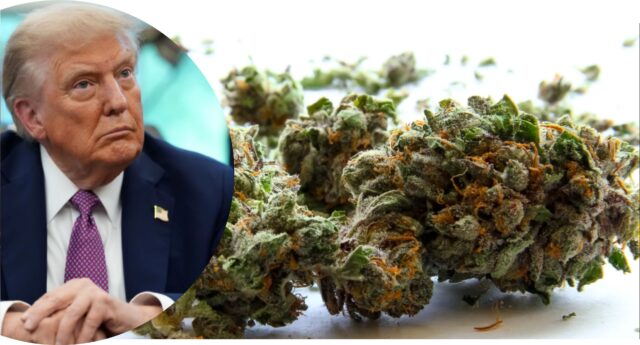
In a sweeping change to U.S. drug policy, Donald Trump has moved to reclassify state-licensed medical marijuana as a less-dangerous substance, marking one of the most significant federal shifts on cannabis regulation in decades.
The decision, executed through the Justice Department and signed by Acting Attorney General Todd Blanche, repositions medical marijuana from the strictest Schedule I category—reserved for drugs deemed to have no accepted medical use—to the less restrictive Schedule III classification under the Controlled Substances Act.
The reclassification does not legalise marijuana at the federal level but substantially eases restrictions on research and regulation. Officials say the move is intended to expand scientific study, improve patient access to treatment options, and align federal policy more closely with the growing number of U.S. states that permit medical cannabis use.
“These actions will enable more targeted, rigorous research into marijuana’s safety and efficacy, expanding patients’ access to treatments and empowering doctors to make better-informed healthcare decisions,” Blanche said while announcing the policy shift.
The change also carries significant economic implications. By moving marijuana into a lower-risk category, state-licensed operators are expected to benefit from reduced tax burdens and improved access to financial services, offering relief to an industry projected to generate tens of billions of dollars annually.
The move follows a December executive directive by President Trump ordering an accelerated review of cannabis classification, amid frustration over regulatory delays. A broader review of marijuana’s legal status is also underway, with federal hearings scheduled to consider further reclassification.
Despite widespread praise from healthcare advocates and industry stakeholders—who describe the decision as a long-overdue recognition of cannabis’ medical value—critics warn the policy could blur public health messaging and embolden recreational use.
AP