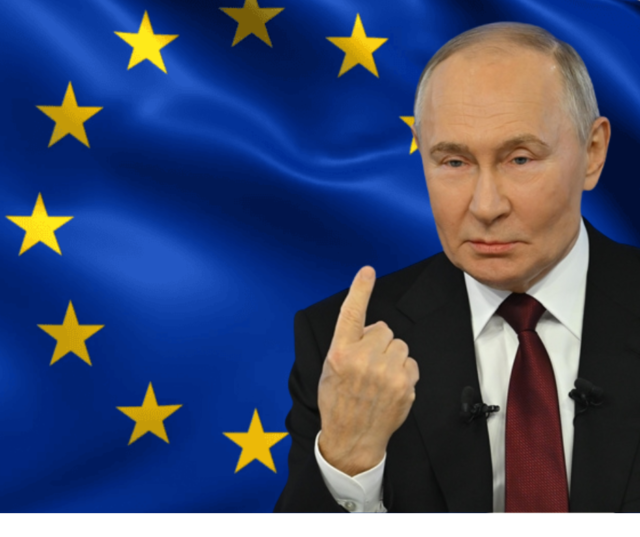
Russian President Vladimir Putin has scathingly criticised the European Union’s handling of frozen Russian assets, calling what he described as proposed European actions a form of “daylight robbery” and warning they could undermine confidence in the eurozone’s financial system and provoke serious consequences.
Putin made the remarks during his annual end-of-year press conference in Moscow, where he addressed a wide range of issues including the ongoing war in Ukraine, NATO expansion and economic policy. On the contentious issue of Russian sovereign assets frozen in the EU following Russia’s 2022 invasion of Ukraine, Putin rejected Western plans to use those funds to support Kyiv. He said that such a move would amount to blatant theft and erode trust in European financial markets. “It’s daylight robbery,” Putin said, arguing that European policymakers had crossed a red line by contemplating the use of Moscow’s frozen reserves without consent.
The comments come against the backdrop of tense negotiations in Brussels, where EU leaders have been trying to agree on mechanisms to sustain Ukraine’s economic and military effort. After lengthy deliberation, the bloc agreed this week to provide Ukraine with a €90 billion interest-free loan backed by EU borrowing, instead of tapping the approximately €210 billion worth of Russian central bank assets immobilised in Europe. Western officials framed the loan as a politically viable compromise that keeps the assets frozen while still meeting Kyiv’s financing needs.
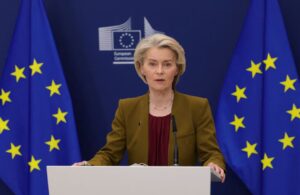
European Commission leaders, including Ursula von der Leyen, had pushed for a “reparations loan” concept that would eventually use Russian reserves layered into the bloc’s lending strategy, but legal and political concerns—especially from Belgium, where most of the assets are held—stalled the plan. Belgian authorities warned that direct use of frozen reserves could expose the country to liabilities and legal challenges.
Putin’s remarks echoed long-standing Russian objections to Western handling of its assets. Moscow has repeatedly maintained that any attempt to use or repurpose the frozen funds constitutes theft, a claim Kremlin officials have flagged as not only unlawful but also damaging to international property rights. In September, Russian officials even threatened legal action against EU states that might seize the funds, saying they would pursue “all possible ways” to challenge such moves.
The EU’s decision to opt for a loan rather than direct confiscation appears in part to have defused the immediate dispute over asset use, but Putin’s “daylight robbery” characterisation underscores lingering mistrust. He warned that undermining confidence in the safety of sovereign reserves held in the eurozone could have broader repercussions for international finance, pointing not only to Russian funds but also to reserves of other major energy producers stored in European financial institutions.
The issue remains a flashpoint in the wider geopolitical battle over Ukraine’s future and Western unity. Ukrainian President Volodymyr Zelenskyy welcomed the EU’s agreement on direct support as a critical signal of sustained backing from Europe, even as internal divisions surfaced during the negotiations.
With Putin’s government concurrently pursuing a $230 billion lawsuit against Belgium’s Euroclear depository in Moscow over the handling of frozen assets, legal and diplomatic tensions are poised to persist well into 2026, even as Brussels and its allies strive to balance support for Ukraine with legal safeguards and financial stability.