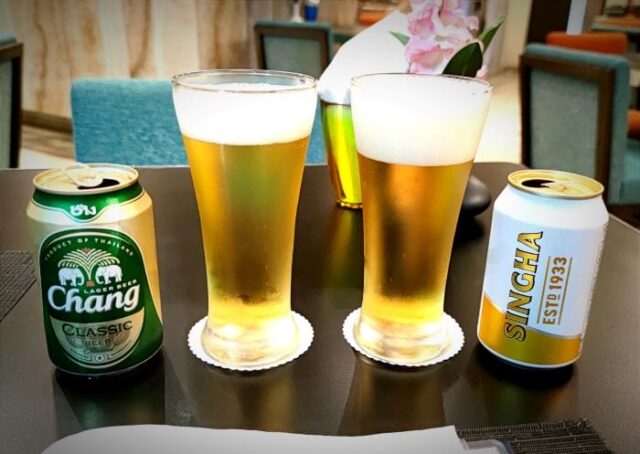
Thailand has officially lifted its ban on afternoon sales of alcoholic beverages, reversing a long-standing public policy that restricted when residents and visitors could legally buy alcohol during daytime hours. The decision, announced by the government on Wednesday, marks a significant change for retailers, consumers, and the hospitality sector across the Southeast Asian nation.
Under the previous regulation, shops and vendors were prohibited from selling alcoholic drinks during certain hours of the day — a curfew meant to curb late-night drinking and related social ills. With the lifting of the ban, convenience stores, supermarkets, bars, and restaurants are once again permitted to sell alcohol throughout the day, a move welcomed by many in Thailand’s vibrant tourism and nightlife industries.
In a statement shared with media outlets, the government said the policy change was part of broader efforts to “modernize regulations, support businesses, and respect adult consumers’ rights,” while continuing to emphasise responsible drinking. A senior official at the Ministry of Commerce, who requested anonymity, said the repeal recognized the changing economic and social dynamics in Thai society, noting that “the ban had outlived its usefulness.”
Local business owners expressed relief at the announcement. One small-shop owner in Bangkok described the ban as “cramping trade” and said that many customers had simply gone elsewhere or delayed purchases until late evening. “Now we can serve customers all day, and that will help our bottom line,” the shopkeeper said. Likewise, representatives of the tourism sector noted the change could boost sales during peak daytime hours, especially among foreign visitors unaccustomed to curfews on alcohol purchases.
However, social critics and public-health advocates urged caution, warning that unrestricted day-time access to alcohol could increase rates of consumption, potentially exacerbating issues like alcohol abuse, traffic accidents, and domestic violence. One community health practitioner remarked that “it’s not just about freedom to buy — we must ensure that with this freedom comes responsibility, education, and stronger enforcement of drinking-age laws.”
The repeal of the ban comes as Thailand recalibrates a range of national policies to adapt to evolving social and economic realities, including recovery in tourism and commerce following the setbacks of the COVID-19 pandemic. For many Thais and expatriates, the move signals a return to greater personal liberty and a nod to modern lifestyles — but for others, it is a cause for renewed vigilance.