An internal U.S. Department of Defense communication has revealed that Washington is considering punitive measures against some NATO allies it believes failed to support its military operations during the recent conflict with Iran, escalating tensions within the transatlantic alliance.
According to a U.S. official familiar with the matter, the internal email outlines a range of options, including the potential suspension of Spain from NATO structures and a review of longstanding U.S. diplomatic positions, such as support for Britain’s claim to the Falkland Islands. The proposals stem from frustration over what U.S. officials described as a lack of cooperation from certain allies in granting access, basing, and overflight rights—commonly referred to as ABO—during the conflict.
The official said the communication described ABO as “just the absolute baseline for NATO,” adding that the options were being circulated at senior levels within the Pentagon. Among the measures under consideration is limiting the influence of “difficult” countries by excluding them from key or prestigious positions within the alliance.
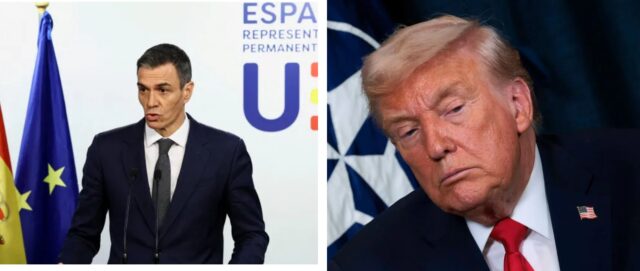
Spain, one of the countries singled out in discussions, has pushed back against the reports. Prime Minister Pedro Sánchez dismissed the significance of the leaked communication, stating: “we [Spain] do not work off of emails, we work from official documents and positions.” He added firmly, “Spain is a member of NATO. And I see no reason why that should change.”
A spokesperson for the German government also expressed confidence in the alliance’s stability, telling reporters in Berlin: “Spain is a member of NATO. And I see no reason why that should change.”
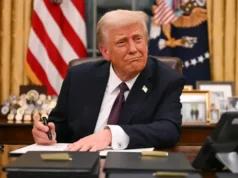
The tensions come against the backdrop of criticism from U.S. President Donald Trump, who has repeatedly accused European allies of failing to provide adequate military support, particularly in efforts to secure the Strait of Hormuz following the outbreak of hostilities on February 28. In an April 1 interview, Trump openly questioned the value of continued U.S. participation in NATO, asking, “Wouldn’t you if you were me?” when pressed on the possibility of withdrawal.
Despite the rhetoric, the internal Pentagon memo does not propose a U.S. exit from NATO or the closure of American bases in Europe. However, it reflects growing frustration within the administration over what officials perceive as an imbalance in alliance commitments.
Pentagon Press Secretary Kingsley Wilson reinforced that position, stating: “As President Trump has said, despite everything that the United States has done for our NATO allies, they were not there for us.” He added, “The War Department will ensure that the President has credible options to ensure that our allies are no longer a paper tiger and instead do their part. We have no further comment on any internal deliberations to that effect.”
The dispute has been further complicated by disagreements over the scope of military involvement in the Iran conflict. Britain and France, among others, have argued that joining a U.S.-led naval blockade would effectively amount to entering the war, though they indicated willingness to help secure maritime routes once a ceasefire is in place.
U.S. Defense Secretary Pete Hegseth underscored concerns about alliance cohesion, telling reporters at the Pentagon: “a lot has been laid bare” by the conflict. He warned that while Iran’s longer-range missiles cannot reach the United States, they pose a direct threat to Europe. “You don’t have much of an alliance if you have countries that are not willing to stand with you when you need them,” Hegseth said.
The internal memo also reportedly raises the possibility of reassessing U.S. diplomatic support for certain European territorial claims, including the Falkland Islands—administered by the United Kingdom but claimed by Argentina—highlighting how geopolitical disputes could be drawn into the broader rift.
REUTERS