ABUJA — The Economic Community of West African States (ECOWAS) officially declared a state of emergency Tuesday, citing a recent spate of military coups, attempted power grabs and growing insecurity across the region. The announcement came during the 55th ordinary session of the bloc’s Mediation and Security Council at ministerial level, convened in Abuja.
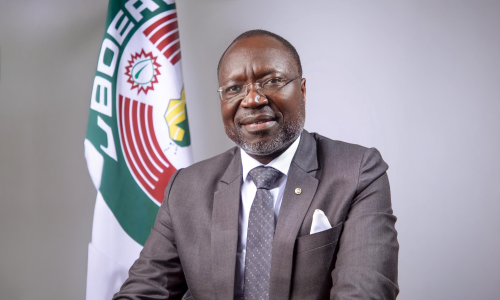
Addressing ministers and diplomats, ECOWAS Commission President Omar Alieu Touray described the wave of unconstitutional changes of government as “a grave threat to peace and democratic governance.” He warned of “a growing erosion of electoral inclusivity” and pointed to the rising influence of terrorism and banditry across the sub-region.
“Events of the last few weeks have shown the imperative of serious introspection on the future of our democracy and the urgent need to invest in the security of our community,” Touray said, declaring that “our community is in a state of emergency.”
The emergency declaration follows recent political crises across West Africa. The immediate trigger was the foiled coup in the Republic of Benin, where mutinous soldiers briefly seized state media and attempted to dissolve government institutions before loyalist forces — aided by Nigerian Armed Forces jets and regional troops — restored order.
Even before the Benin crisis, the region has witnessed a number of successful coups in countries such as Guinea-Bissau, as well as recurring threats to democratic stability in other member states. These developments prompted ECOWAS to invoke the emergency framework for the first time in recent history.
Under the new state-of-emergency status, ECOWAS leaders are expected to convene in coming weeks for an extraordinary summit to define and roll out concrete measures. Possible actions include strengthened sanctions against coup plotters, accelerated reforms of governance protocols, more frequent mediation sessions, and expanded coordination of regional security — including standby-force deployments where necessary.
In his remarks, Touray emphasized the necessity for more regular Security Council meetings — beyond the customary two sessions per year. “We must confront these threats with the attention they deserve,” he said, stressing the need for pooled resources to tackle cross-border terrorism and banditry that respect no territorial boundaries.