NERC Orders Compensation for Band A Customers Hit by Power Supply Shortfalls
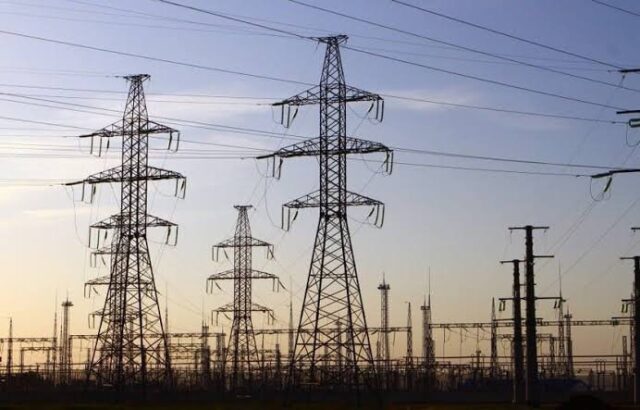
The Nigerian Electricity Regulatory Commission (NERC) has approved a special compensation package for eligible Band A electricity customers affected by power supply disruptions caused by generation constraints across the country’s power sector between February and March 2026.

The regulatory commission announced the decision through Directive No. NERC/2026/002 on the Special Compensation of Band A Customers Arising from Grid Generation Constraints, describing the measure as part of efforts to protect consumers while maintaining stability in the Nigerian Electricity Supply Industry (NESI).

According to NERC, the intervention became necessary following significant generation shortfalls recorded during the two-month period, which hindered the ability of electricity Distribution Companies (DisCos) to deliver the minimum service levels promised to some Band A customers.

The commission explained that the disruptions were largely driven by inadequate gas supply and acts of vandalism targeting critical gas and transmission infrastructure, circumstances that were beyond the direct operational control of the affected DisCos.

Under the directive, the compensation framework covers the period between February and March 2026. NERC stated that Band A feeders that maintained an average daily electricity supply of between 18 and 20 hours during the period would continue to be compensated under the existing provisions contained in Addendum No. NERC/2024/003, applicable to both Maximum Demand (MD) and Non-Maximum Demand (Non-MD) customers.

For Band A feeders that recorded less than 18 hours of daily electricity supply, the commission introduced a special compensation arrangement while exempting the affected feeders from any downgrade during the covered period.

Under the new arrangement, eligible Non-MD customers will receive compensation equivalent to 20 per cent of the approved February 2026 energy cap applicable to their feeders. Maximum Demand customers, on the other hand, will receive compensation equivalent to 20 per cent of the average energy billed per MD customer in February 2026.

NERC further directed that prepaid customers must receive their compensation through electricity token credits, while postpaid customers will be compensated through adjustments to their bills.

The commission also outlined strict timelines for implementation. Compensation relating to February 2026 supply shortfalls was scheduled to be completed by May 31, 2026, while compensation for March 2026 is expected to be fully implemented no later than June 30, 2026.

In a move aimed at protecting consumers, NERC prohibited Distribution Companies from using compensation credits to offset outstanding customer debts. The regulator also directed electricity providers to clearly communicate the value and period of compensation awarded to every eligible customer.

The commission reaffirmed its commitment to consumer protection and transparency within the power sector, stressing that it would closely monitor implementation across the industry to ensure full compliance with the directive.

“NERC remains committed to protecting electricity consumers while ensuring the stability and sustainability of the electricity market,” the commission stated.

The regulator added that it would continue to verify compliance by Distribution Companies to ensure that all eligible customers receive the compensation due to them.

The directive comes amid ongoing efforts by stakeholders to improve electricity supply reliability and address challenges facing Nigeria’s power sector, particularly recurring generation constraints linked to gas shortages and infrastructure vandalism. Industry observers say the compensation scheme is expected to provide some relief to customers who paid premium tariffs under the Band A service classification but received electricity supply below the expected threshold during the affected period.

Lagos Ready for Historic National Intermediate Games, Says NSC Chief Olopade

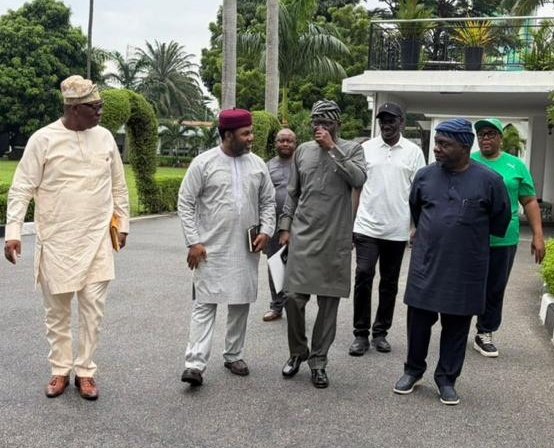
Lagos State Governor Babajide Sanwo-Olu (middle) with DG National Sports Commission Bukola Olopade (far right) during a recent meeting.

Lagos State has received a strong vote of confidence ahead of the maiden National Intermediate Games, with National Sports Commission (NSC) Director-General Bukola Olopade declaring the state fully prepared to host what he described as a landmark event for athlete development and sports excellence in Nigeria.

Olopade made the declaration after concluding a three-day inspection tour of key sporting facilities, athlete accommodation centres and support infrastructure across the state, expressing satisfaction with the level of readiness demonstrated by Lagos authorities.

In a statement shared after the tour, Olopade said the inspection exercise had reinforced confidence in the state’s ability to successfully stage the inaugural edition of the competition.

“I am impressed by the level of preparedness and commitment demonstrated by Lagos State as we conclude our inspection tour ahead of the maiden National Intermediate Games,” he said.

According to the NSC boss, officials assessed competition venues, accommodation facilities and operational infrastructure over the course of the visit and found that preparations were on track for a successful event.

“Over the past three days, we inspected key competition venues, athlete accommodation facilities, and support infrastructure across the state. What we have seen gives us every confidence that Lagos is ready to host a world-class Games that will set a new benchmark for athlete development and sports excellence in Nigeria,” Olopade stated.

The National Intermediate Games is expected to serve as a major platform for identifying and nurturing emerging sporting talents across the country. Sports administrators have described the initiative as a crucial link between grassroots competitions and elite-level participation.

Highlighting the significance of the programme, Olopade noted that the Games form a central component of the nation’s long-term sports development strategy.

“The National Intermediate Games is a critical pillar of our sports development agenda. It is designed to bridge the gap between youth sports and elite competition, creating a sustainable pathway for talent discovery, nurturing, and progression,” he said.

Olopade also commended the Lagos State Government for its support and commitment to hosting the competition, singling out Governor Babajide Sanwo-Olu for his administration’s role in ensuring the success of the event.

“I am particularly encouraged by the strong support and commitment of Governor Babajide Sanwo-Olu and the Lagos State Government towards making this historic event a success,” he said.

The NSC Director-General further noted that Lagos has built a reputation as one of Nigeria’s leading hosts of major sporting events and expressed confidence that the state would once again deliver a memorable tournament experience for athletes, officials and fans.

“Lagos has a rich tradition of hosting major sporting events, and I have no doubt that the state will once again deliver an exceptional experience for athletes, officials, and sports fans across the country,” Olopade added.

As preparations enter the final stages, stakeholders believe the National Intermediate Games could become a transformative platform for Nigerian sports by creating opportunities for young athletes to develop competitively and progress into national and international sporting ranks.

Emphasising the broader vision behind the initiative, Olopade said the future of Nigerian sports depends on creating sustainable opportunities for emerging talents.

“The future of Nigerian sports lies in our ability to create opportunities for young talents to compete, grow, and excel. The National Intermediate Games represents another bold step in that direction, and together, we are building a stronger foundation for the next generation of champions,” he said.

The maiden National Intermediate Games is expected to bring together promising athletes from across the country, providing a competitive environment aimed at strengthening Nigeria’s talent pipeline and enhancing long-term sports development.

Ogun Police Arrest Man Over Fake Kidnap Video

The Ogun State Police Command has arrested a man identified as Johnson Elleh for allegedly producing and circulating a false video claiming that kidnappings and banditry activities were taking place along the Owode-Idiroko corridor of the state.

The Command said the arrest followed a thorough investigation launched after the video went viral on social media, sparking concerns among residents and commuters in the area.

According to the police, the video alleged widespread insecurity along the Owode-Idiroko axis, but investigations revealed that the claims were entirely fabricated and designed to create fear and panic among members of the public.

In a statement issued by the Command, authorities disclosed that detectives immediately scrutinised the contents of the video and carried out extensive verification exercises to determine the authenticity of the claims.

The police said their findings established that there had been no kidnapping or banditry incident as portrayed in the video, either along the Owode-Idiroko road or in surrounding communities.

Investigators subsequently identified Johnson Elleh, who appeared in the video, and traced him for questioning before effecting his arrest.

Preliminary investigations indicated that the suspect deliberately created and circulated the content for attention and online engagement purposes. The Command noted that the false narrative had the potential to trigger unnecessary public alarm, disrupt social order and undermine confidence in the state’s security framework.

During interrogation, the suspect reportedly admitted to intentionally producing and sharing the misleading content to generate reactions on social media platforms.

The police said investigations are ongoing and that the suspect would be charged in court upon completion of the process.

Reacting to the development, the Ogun State Police Command strongly condemned the spread of fake news and unverified security reports, warning that such actions pose serious threats to public peace and safety.

The Command stressed that individuals or groups involved in creating, publishing or recirculating false security information would face legal consequences, regardless of their motives or status.

“The Command hereby issues a stern warning to individuals and groups engaged in the creation, publication, recirculation, or dissemination of unverified security-related information that such acts constitute a threat to public peace and security and will attract the full weight of the law,” the statement said.

Police authorities further assured residents that Ogun State remains peaceful and secure despite attempts to create panic through misinformation.

“The Command acknowledges the concerns of residents who may have been alarmed by the misleading video and wishes to reassure the public that Ogun State remains safe, peaceful, and secure,” the statement added.

The police urged members of the public to remain calm, continue their lawful activities without fear and rely only on information released through official and verified channels.

The Command also reiterated its commitment to safeguarding lives and property across the state, pledging to continue identifying, investigating and prosecuting individuals responsible for spreading false information capable of threatening public order.

Senate Passes Bill to Create National Agency for Malaria Elimination

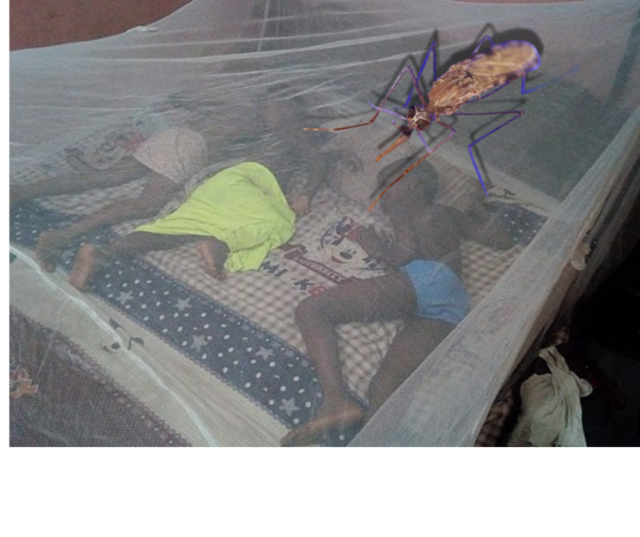
The Nigerian Senate has passed for third reading a landmark bill seeking the establishment of the National Agency for Malaria Elimination, a move aimed at strengthening the country’s fight against one of its deadliest public health challenges and accelerating efforts toward malaria eradication.

The proposed legislation, sponsored by Senator Ned Nwoko, scaled its final legislative hurdle after lawmakers considered and adopted the report of the Senate Committee on Health (Secondary and Tertiary), chaired by Ipalibo Harry Banigo.

According to the committee’s report, the agency will serve as the central coordinating body for national malaria elimination programmes, shifting Nigeria’s response from a largely treatment-based approach to a comprehensive strategy focused on prevention, control and eventual eradication. The proposed institution is also expected to establish zonal and state offices across the country to ensure effective implementation of malaria elimination programmes through a framework driven by science, accountability and legal backing.

President of the Senate, Godswill Akpabio, described the bill as a significant milestone in Nigeria’s public health journey, noting that malaria remains one of the most prevalent diseases affecting millions of Nigerians annually.

Speaking with Senate correspondents shortly after the bill was passed, Nwoko expressed optimism that eliminating malaria in Nigeria is both realistic and achievable. He said the proposed agency would champion innovative interventions, including improved waste management systems, environmental fumigation programmes and investment in vaccine research to tackle the disease at its roots.

The lawmaker further argued that the establishment of the agency could place Nigeria on a path to becoming the first malaria-free nation in Africa, a goal he believes is attainable with sustained commitment and coordinated action.

The Senate’s action comes amid renewed global efforts to combat malaria and follows recent developments announced by the World Health Organization. Last month, the WHO granted prequalification approval to artemether-lumefantrine, the first malaria treatment specifically formulated for newborns and infants.

The breakthrough drug is designed to address the unique treatment needs of the youngest victims of the mosquito-borne disease. Before the approval, infants were commonly treated with formulations intended for older children, increasing the risk of dosage errors, adverse side effects and toxicity.

Welcoming the advancement, WHO Director-General Tedros Adhanom Ghebreyesus said: “For centuries, malaria has stolen children from their parents, and health, wealth and hope from communities.”

He added: “But today, the story is changing. New vaccines, diagnostic tests, next-generation mosquito nets and effective medicines, including those adapted for the youngest, are helping to turn the tide.”

Expressing optimism about the future of malaria control, Ghebreyesus said: “Ending malaria in our lifetime is no longer a dream — it is a real possibility, but only with sustained political and financial commitment. Now we can. Now we must.”

Despite progress in the global fight against malaria, the disease remains a major health burden, particularly in Africa. According to WHO estimates, there were approximately 282 million malaria cases and 610,000 deaths across 80 countries in 2024. Africa accounted for 95 per cent of those infections and fatalities, while children under the age of five represented nearly three-quarters of all malaria-related deaths.

The WHO has also highlighted concerns that nearly 70 per cent of countries worldwide still lack sufficiently robust regulatory systems to effectively oversee medicines, vaccines, diagnostic tools and other medical products.


Real Madrid Election Heats Up as Pérez Unveils Mourinho Plan, Man City Fires Back Over Haaland Claim

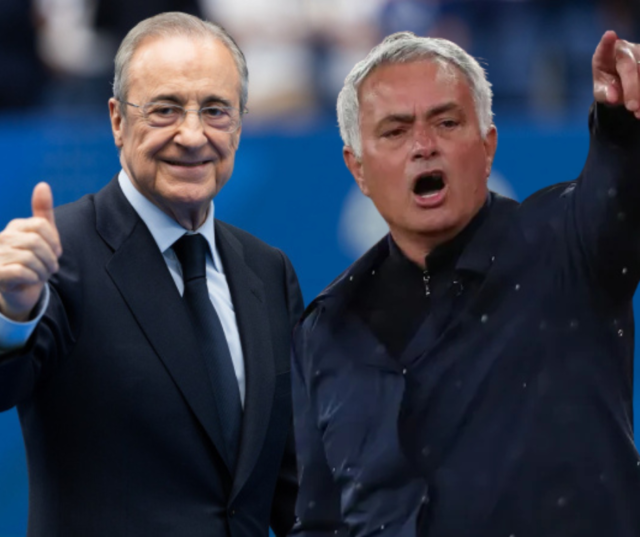
Real Madrid president Florentino Pérez (left) and Jose Mourinho

The race for the Real Madrid presidency has intensified ahead of Sunday’s election, with incumbent president Florentino Pérez and challenger Enrique Riquelme drawing global attention after invoking some of football’s biggest names in their campaigns.

Pérez appeared to strengthen speculation surrounding the return of José Mourinho to the Santiago Bernabéu by featuring the Portuguese manager in campaign-related promotional material, while Riquelme sparked controversy by suggesting that Manchester City striker Erling Haaland wants to join Real Madrid.

With club members set to vote on Sunday, the election has increasingly become a battle of vision, influence and star power, as both candidates seek to convince Madridistas they are best positioned to lead one of football’s most successful institutions.

Pérez, who has presided over some of the club’s most successful eras, fueled reports linking Mourinho with a sensational return to the Spanish giants. The veteran club president shared a video on social media featuring the former Real Madrid boss responding “Si” (“Yes”), alongside the campaign slogan: “MOUcha historia por hacer” (“So MOUch history to make”).

The message has been widely interpreted as a clear indication that Mourinho is Pérez’s preferred choice to take over as head coach should he secure another term in office.

Mourinho, who managed Real Madrid between 2010 and 2013, is reportedly poised for a second spell at the club following a trophyless campaign under current manager Álvaro Arbeloa. Real Madrid finished the season without winning a major title for the second consecutive year, increasing pressure for change both on and off the pitch.

While Pérez focused on the managerial position, his rival Riquelme turned attention to the transfer market during an appearance on a popular Spanish late-night television programme.

The 37-year-old entrepreneur, who built his reputation in the renewable energy sector, openly discussed plans to pursue Manchester City star Erling Haaland if elected president. During the programme, the show’s host displayed a mock Real Madrid jersey bearing Haaland’s name, prompting applause from the audience.

“Haaland has a clause (in his contract) and wants to come to Madrid,” Riquelme declared.

The comments triggered an immediate reaction from Manchester City, which moved swiftly to reject the claims and defend its position regarding the Norwegian striker’s future.

In a strongly worded statement issued on Thursday, the Premier League champions said: “The stories which have emerged from Spain regarding the future of Erling Haaland are untrue.”

The club added: “There is no chance of this happening and there is no contractual clause to enable it.”

City also indicated that it may take legal action over the use of Haaland’s image in the context of the election campaign.

“City is considering legal action for the use of our player image in this context,” the statement added.

The response underscores City’s determination to shut down speculation surrounding one of the world’s most valuable footballers. Haaland signed a new long-term contract with the English champions in January 2025, committing his future to the club until 2034 in what was widely reported as one of the most lucrative agreements in football history and the longest contract ever signed by a Premier League player.

Although City categorically denied the existence of any release clause that could facilitate a move to Madrid, the club’s statement notably made no reference to Spain international Rodri, another player Riquelme said he would attempt to bring to the Bernabéu if elected.


AP

Eagles Denied Late Victory as Poland Snatch Dramatic 2-2 Draw in Friendly

Nigeria’s Super Eagles were forced to settle for a 2-2 draw against Poland after a dramatic stoppage-time equaliser denied the three-time African champions victory in an entertaining international friendly on Wednesday.

The pulsating encounter saw both sides exchange goals in a contest that swung repeatedly before ending level, with Poland rescuing a point deep into added time after Nigeria had looked poised to secure a hard-fought win.

The Super Eagles made a bright start and were rewarded in the 23rd minute when striker Terem Moffi capped off a well-orchestrated attacking move to give Nigeria the lead. The goal reflected Nigeria’s early dominance and provided the visitors with a deserved advantage as they controlled large spells of the first half.

Nigeria appeared set to head into the interval with their lead intact, but Poland struck back at a crucial moment. Potulski found the breakthrough for the hosts in first-half stoppage time, scoring in the 46th minute to restore parity and send both teams into the dressing room level at 1-1.

The equaliser shifted momentum in Poland’s favour, but the Super Eagles responded positively after the restart, creating opportunities and maintaining their attacking threat against a determined Polish side.

Nigeria’s persistence paid off in the 77th minute when the visitors were awarded a penalty. Veteran forward Paul Onuachu stepped up and calmly converted from the spot, sending the goalkeeper the wrong way to restore Nigeria’s lead and put the Super Eagles on course for victory.

With time running out, Nigeria appeared to have done enough to secure an impressive away result. However, Poland had the final say in a match filled with twists and turns.

Just moments before the final whistle, Wiśniewski struck in the 95th minute to break Nigerian hearts, finding the net with a dramatic late equaliser that sparked celebrations among the home supporters and ensured the match ended 2-2.

The result means both teams leave the fixture with encouraging signs despite missing out on victory. Nigeria will take positives from its attacking display, particularly the performances of Moffi and Onuachu, while Poland will be encouraged by its resilience and ability to fight back twice against one of Africa’s strongest football nations.

Although the Super Eagles will be disappointed to have surrendered a late lead, the encounter provided valuable preparation for future international assignments and offered coaching staff further insight into the squad’s strengths and areas requiring improvement.

In the end, a fiercely contested contest produced four goals, late drama and an entertaining spectacle, with Poland’s stoppage-time heroics ensuring the spoils were shared in a memorable friendly encounter.

Owo Church Massacre: Court Sentences Four to Death, Acquits Fifth Defendant

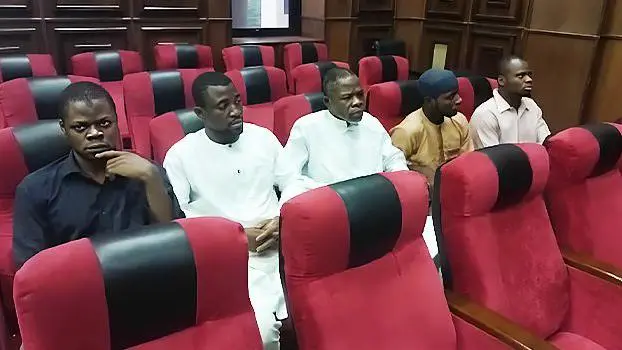
Four men convicted for their roles in the deadly attack on Saint Francis Catholic Church in Owo, Ondo State, have been sentenced to death by hanging by the Federal High Court in Abuja, bringing a major legal chapter in one of Nigeria’s deadliest terrorist attacks to a close.

Delivering judgment on the case, Justice Emeka Nwite found four of the five defendants guilty on all nine counts contained in the terrorism charges filed against them by the Department of State Services (DSS). The court convicted Idris Abdulmalik Omeiza, 25; Al Qasim Idris, 20; Jamiu Abdulmalik, 26; and Abdulhaleem Idris, 25, for offences linked to the June 5, 2022 massacre that claimed the lives of more than 40 worshippers during a Sunday Mass.

The fifth defendant, Momoh Otuho Abubakar, 47, was discharged and acquitted after the court ruled that the prosecution failed to establish his involvement in the attack beyond reasonable doubt.

Justice Nwite held that the DSS successfully proved its case against the four convicts, finding them guilty of terrorism-related offences under the Terrorism (Prevention and Prohibition) Act. The charges included membership of a proscribed terrorist organisation identified as Al-Shabab, described during the trial as an affiliate of the Islamic State West Africa Province (ISWAP), conspiracy to commit acts of terrorism, hostage-taking, kidnapping, and participation in the killings that occurred during the church attack.

The judge ruled that the prosecution had established the guilt of the four defendants beyond reasonable doubt, while noting that the evidence presented against the fifth defendant did not meet the legal threshold required for conviction.

The prosecution linked the convicted men to the attack through multiple strands of evidence, including witness identifications, mobile phone tracking records, cell tower data and confessional statements. Investigators alleged that the suspects were members of a terrorist network operating primarily in Okene, Kogi State.

The defendants were arraigned in August 2025 and pleaded not guilty to all charges. Over the course of the trial, the DSS presented 11 witnesses and tendered 23 documents as exhibits before the court.

Among those who testified were survivors of the church attack, including one witness who appeared in court from a wheelchair after reportedly losing both legs and an eye during the assault. Other witnesses included a Catholic priest who was conducting Mass when the attack occurred, church members, operatives of the Western Nigeria Security Network, popularly known as Amotekun, and DSS investigators with expertise in digital forensics.

Several witnesses testified under protective measures and were identified using coded identities due to security concerns surrounding the case.

Lead prosecution counsel, Ayodeji Adedipe, had urged the court to impose the maximum punishment available under the law, arguing that the scale and brutality of the attack warranted the severest penalty.

During the defence stage, most of the accused persons testified on their own behalf and challenged the admissibility of their confessional statements. The court subsequently conducted a trial-within-a-trial after the defence alleged that the statements were obtained under duress.

The defendants claimed they were stripped, beaten and subjected to torture, including electric shocks to sensitive parts of their bodies, to compel them to confess to involvement in the attack. They further alleged that security operatives threatened them with death if they failed to cooperate.

Some of the accused also told the court that they were promised rewards if they implicated the fifth defendant, Momoh Otuho Abubakar, as the operational leader behind the Owo church massacre.

Despite the allegations, the court admitted the confessional statements and ultimately found sufficient evidence to convict four of the defendants while clearing the fifth accused.

The Owo church attack remains one of the most horrific acts of terrorism in Nigeria’s recent history. The assault shocked the nation and drew widespread condemnation from religious leaders, civil society groups and the international community. Although no organisation formally claimed responsibility at the time, security agencies had long suspected the involvement of extremist groups linked to the Islamic State network operating within the region.

With the judgment, authorities say justice has been delivered for many of the victims and families affected by the massacre, though the scars left by the attack continue to resonate nearly four years after the tragedy unfolded.

Gunmen Abduct Adelabu’s Sister, Twin Sons in Ibadan as Security Agencies Launch Rescue Operation

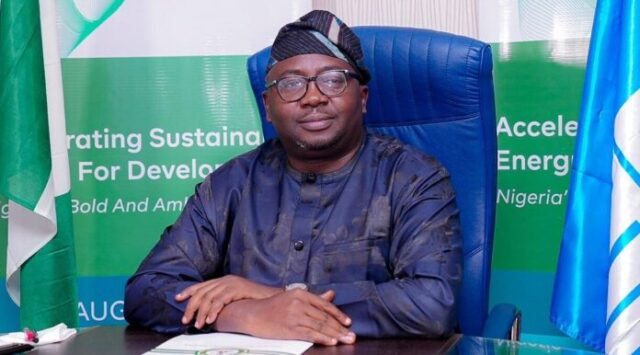
Adebayo Adelabu

Panic and concern gripped residents of Ibadan on Wednesday after armed gunmen abducted the younger sister of former Minister of Power and All Progressives Congress (APC) governorship aspirant, Adebayo Adelabu, alongside her twin sons.

The victims, identified as Mrs. Olaide Busayo Adegoke John-Paul and her 12-year-old twin sons, Peter and Paul, were reportedly kidnapped in the early hours of June 3 while travelling to school in the Oyo State capital.

The family confirmed the incident in a statement issued by Chief Adelabu’s media aide, Comrade Femi Awogboro, describing the abduction as a distressing development for the family.

According to the statement, Mrs. John-Paul, 43, was abducted at about 7:30 a.m. while driving her children to school when armed assailants intercepted them and forcibly took them away.

“The family of Adebayo Adelabu, former Minister of Power and leading governorship aspirant of APC in Oyo State, wishes to formally confirm the unfortunate kidnapping of his younger sister, Olaide Busayo Adegoke John-Paul, alongside her twin sons, Peter and Paul, in the early hours of Wednesday, June 3, 2026,” the statement said.

The family disclosed that Mrs. John-Paul is the youngest of five children born to Mrs. Olufunmilayo Aduke Adegoke Adelabu. Before retiring voluntarily last year, she reportedly had a distinguished career working with both the Central Bank of Nigeria and First Bank Pension Custodian.

Following her retirement, she relocated to Ibadan with her children while making arrangements to reunite with her husband, Mr. John Paul, who had earlier moved to the United States.

Providing further details of the incident, the family stated: “Mrs. John-Paul, aged 43, was reportedly abducted by armed gunmen at about 7:30 a.m. while on her way to drop her children at school in Ibadan. The abductors also forcefully took away her 12-year-old twin sons, who were with her at the time of the incident.”

The kidnapping adds to growing concerns over insecurity and rising incidents of abductions across different parts of the country, particularly attacks targeting commuters, schoolchildren and members of prominent families.

The family said security agencies were immediately notified after the incident and have since commenced efforts to rescue the victims and apprehend those responsible.

“Immediately the incident was reported, all relevant security and law enforcement agencies were duly contacted. We are pleased to confirm that security operatives have swung into action and preliminary investigations have commenced in earnest,” the statement noted.

It added that rescue operations are ongoing, expressing confidence in the ability of security agencies to secure the release of the victims.

“Efforts are currently ongoing to ensure the safe rescue of the victims and the apprehension of those responsible for this heinous crime.”

The statement further conveyed the emotional toll the incident has taken on the family, while appealing for public support and prayers.

“Adebayo Adelabu and the entire family are deeply distressed by this tragic development but remain hopeful and confident in the capacity of the security agencies to secure the safe release of Mrs. John-Paul and her children,” it said.

NUT Threatens Nationwide Strike Over Kidnapped Teachers, Students, Demands Immediate Rescue

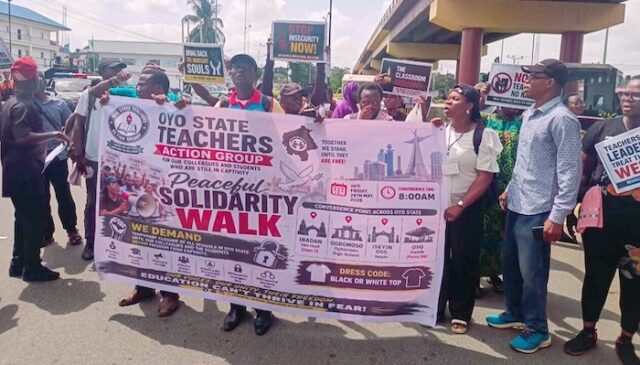
The Nigeria Union of Teachers (NUT) has threatened to embark on a nationwide strike if authorities fail to secure the release of teachers and schoolchildren abducted in Oyo State and other parts of the country, escalating pressure on government at all levels to address growing insecurity in schools.

The warning was issued during a solidarity rally organised by the union in the Federal Capital Territory (FCT), where teachers and education stakeholders gathered to demand urgent action from security agencies and government officials.

Speaking at the rally, NUT National President, Audu Amba, expressed deep concern over the rising wave of attacks targeting schools, teachers and students across Nigeria. He said the continued abduction of educators and pupils poses a serious threat to the country’s education sector and undermines efforts to improve learning outcomes.

According to Amba, attacks on teachers and schools have created an atmosphere of fear that is disrupting teaching and learning activities in several parts of the country. He urged both the federal and state governments to take immediate and decisive measures to strengthen security around educational institutions.

The NUT president stressed that schools must remain safe spaces for both teachers and children, warning that the union would not stand by while educators continue to face threats to their lives and livelihoods.

“The safety of teachers and students must remain a priority,” Amba said, as he called for the immediate rescue of all abducted teachers and schoolchildren still being held captive by their kidnappers.

The union also reaffirmed its earlier directive instructing primary and secondary school teachers in Oyo State to withdraw their services following the abduction of their colleagues and students. The action, according to the union, is intended to draw attention to the worsening security situation and compel authorities to act swiftly.

FIFA Rolls Out Landmark Rule Changes to Speed Up, Clean Up World Cup

The International Football Association Board (IFAB) has approved a comprehensive set of changes to the Laws of the Game that will debut at the FIFA World Cup 2026, which kicks off on June 11 across the United States, Mexico, and Canada. Aimed at tackling discrimination, slashing time-wasting, boosting match tempo, and enhancing the experience for players and fans alike, the updates mark one of the most significant overhauls in recent football history.

FIFA’s Chief Refereeing Officer Pierluigi Collina described the reforms as a major step forward. “The IFAB approved a set of landmark changes to the Laws of the Game and the FIFA World Cup 2026 will be the first major tournament to use them,” he told reporters. “These amendments aim to tackle discrimination, cut time-wasting, enhance match tempo and improve both the player and fan experience.”

One of the most eye-catching measures targets potential discriminatory behavior. Players who cover their mouths with a hand, arm, or shirt during confrontational situations will now receive a straight red card. The rule draws from recent high-profile incidents, such as the case involving Benfica’s Gianluca Prestianni, but allows exceptions for friendly conversations between teammates or opponents.

Collina clarified the intent: “If it is a friendly conversation, they can continue to do it without any problem. When it is confrontational, it is a completely different story. Covering the mouth means you are doing something potentially very wrong.” He added that the action is deliberate: “This is something you do on purpose. It is not something that a player can do instinctively.”

Protests against referee decisions face stricter penalties. Any player who leaves the field of play in protest will be shown a red card, as will team officials who incite such behavior. Teams causing a match to be abandoned will forfeit the game, a direct response to incidents like Senegal’s walk-off in the Africa Cup of Nations final.

To combat time-wasting, referees will use a visible five-second countdown for throw-ins and goal kicks, signaled by a raised hand. Failure to restart play in time hands possession to the opposition—a throw-in for delays on throws, or a corner kick for goal kicks. Substituted players must leave the pitch within 10 seconds at the nearest boundary line, or their replacement faces a one-minute delay before entering (with exceptions for injuries or safety).

Players receiving on-field medical treatment will generally need to stay off the pitch for at least one minute after play restarts, except in cases like head injuries, goalkeeper collisions, or when taking a penalty. Goalkeepers holding up play will also face tighter scrutiny under expanded rules.

VAR’s role expands significantly. The technology can now intervene on clearly incorrect second yellow cards, mistaken identity for cards, incorrectly awarded corners (if correctable immediately), and fouls committed by attackers before set pieces restart that lead to goals, penalties, or major sanctions. Collina explained the evolution: “We started using VAR in FIFA competitions in 2017… So, we think it is time to reconsider the protocol which was written when there was very limited experience.”

For the World Cup specifically, a three-minute hydration break will occur around the 22nd minute of each half, with some referee flexibility based on match events. All 48 national team coaches participated in workshops on the changes, and players will receive briefings before the tournament.

Collina emphasized the broader goal: “We are trying to clean the game as much as possible.” With 170 officials preparing in Miami and the changes set to roll into the 2026-27 season, football’s lawmakers are betting these rules will deliver a faster, fairer, and more watchable spectacle when the expanded 48-team World Cup begins.

The tournament promises to test these innovations under the global spotlight, potentially setting the standard for the sport’s future.

EDITOR PICKS

Recent Posts