The Nigerian government has intensified diplomatic pressure on South Africa while considering emergency evacuation measures for its citizens, following a resurgence of xenophobic tensions and the reported deaths of two Nigerians in separate incidents involving security personnel.
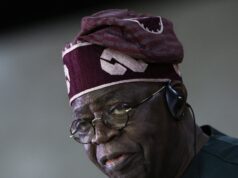
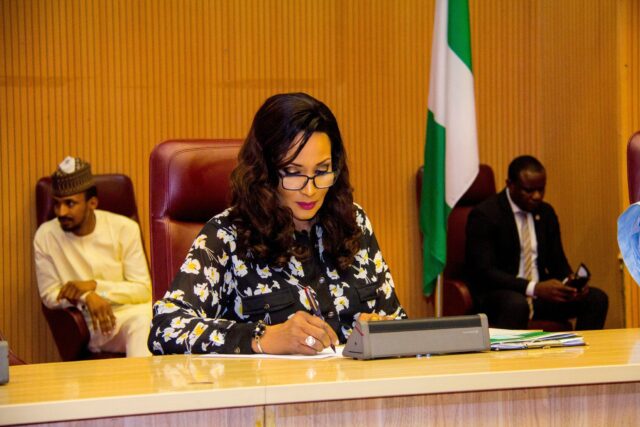
In a situation report released by the Minister of State for Foreign Affairs, Bianca Odumegwu-Ojukwu, Abuja confirmed that President Bola Ahmed Tinubu has expressed “grave concern” over the unfolding developments and has called on South African authorities to ensure stronger protection for foreign nationals. The Nigerian leader has also directed close monitoring of the situation as tensions persist across key cities.
Recent protests in Pretoria and Johannesburg between April 27 and 29 have heightened anxiety among migrant communities, particularly Nigerians. Although the demonstrations were largely peaceful and conducted under heavy police presence, officials noted that they were marked by “xenophobic rhetoric, hate speeches and incendiary anti-migrant statements,” drawing global condemnation.
Despite no confirmed attacks on Nigerians during the protests, two separate incidents involving Nigerian nationals have amplified fears. Amamiro Chidiebere Emmanuel died on April 25 from injuries allegedly sustained after a brutal assault by members of the South African National Defence Force in Port Elizabeth. In another case, Nnaemeka Matthew Andrew reportedly died following an encounter with the Tshwane Metro Police, with his body later discovered at a mortuary in Pretoria. Nigerian authorities described both incidents as “utterly condemnable and unacceptable,” insisting that justice must be served.
In response, Nigeria’s Ministry of Foreign Affairs has summoned South Africa’s High Commissioner, signaling a firm diplomatic stance. At the same time, arrangements are underway for voluntary evacuation flights for Nigerians who wish to return home, with at least 130 individuals already registered for repatriation.
“The priority at this time remains the safety of our citizens,” Odumegwu-Ojukwu stated, adding that Nigeria’s High Commission and Consulate in South Africa are working closely with local authorities to minimize risks and ensure adequate protection for Nigerians.
South African officials, including President Cyril Ramaphosa, Home Affairs Minister Leon Schreiber, and Police Affairs Minister Firoz Cachalia, have publicly condemned xenophobic violence and reaffirmed their government’s opposition to attacks on foreign nationals. Their assurances, however, have done little to calm anxieties ahead of another planned round of demonstrations scheduled between May 4 and May 8.
Nigerian officials warn that the recurring pattern of xenophobic unrest—often linked to political cycles in South Africa—poses a sustained threat to foreign communities. They also stressed Nigeria’s historical role in supporting South Africa’s liberation struggle, urging renewed efforts to strengthen bilateral cooperation and protect lives.