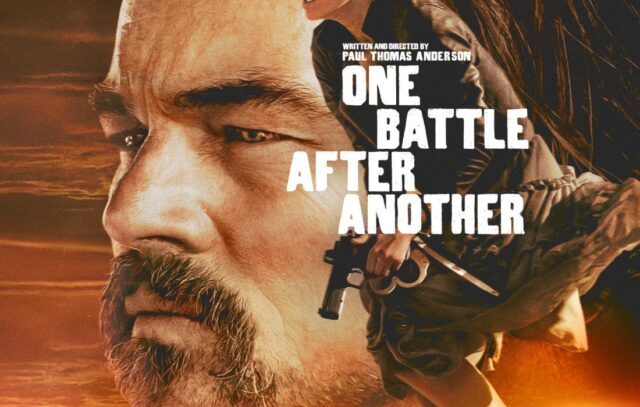
The satirical action-thriller One Battle After Another, directed by acclaimed filmmaker Paul Thomas Anderson, emerged as the biggest winner at the 98th Academy Awards, taking home six Oscars including the coveted Best Picture and Best Director prizes.
The film’s sweeping success at the ceremony in Los Angeles capped a dominant awards season for Anderson’s politically charged drama, which also won for Best Adapted Screenplay, Best Supporting Actor, Best Film Editing and the inaugural Best Casting award.
Speaking during his acceptance speech for Best Director, Anderson thanked his collaborators and reflected on the journey of making the film, calling the recognition “a profound personal and professional honor.”
The movie, loosely inspired by Thomas Pynchon’s novel Vineland, follows a former revolutionary struggling to protect his daughter from a dangerous enemy while confronting the consequences of his radical political past. The narrative blends action, dark satire and social commentary, exploring issues such as political extremism, immigration tensions, white supremacy and the long-term costs of activism.
Hollywood veteran Sean Penn earned the Oscar for Best Supporting Actor for his role in the film, while Anderson’s screenplay adaptation also drew praise for its sharp political edge and complex storytelling.
One Battle After Another received 13 Academy Award nominations heading into the ceremony, making it one of the most nominated films of the year and a strong contender throughout the awards season.
The triumph marks a milestone for Anderson, whose earlier films such as There Will Be Blood, Phantom Thread, and Licorice Pizza had received critical acclaim and multiple nominations but had not secured him the Academy’s top directing honor until now.
The Oscars ceremony, hosted by Conan O’Brien, featured several politically charged moments from presenters and winners, reflecting broader global debates and tensions that have influenced contemporary cinema.
With its blend of political satire, action-driven storytelling and emotional family drama, One Battle After Another has cemented its place as one of the defining films of the year, reinforcing Anderson’s reputation as one of modern cinema’s most distinctive directors.