Iran’s place at the 2026 FIFA World Cup — set to be co-hosted by the United States, Canada and Mexico — is under serious threat following a dramatic escalation in Middle East conflict, the president of the Iranian Football Federation has said. The uncertainty comes as political tensions and military action unfold just months before the tournament is scheduled to begin on June 11, raising questions about whether Team Melli will be able to travel to North America and compete.
As reported by AP, remarks carried by Iranian media, Mehdi Taj, head of the Iranian federation, called into question his nation’s ability to participate after recent U.S.- and Israeli-led strikes on Iranian territory that resulted in the deaths of key Iranian officials. The surprise military offensive has ignited fears of broader regional instability and put the future of Iran’s World Cup campaign into limbo. “What is certain is that after this attack, we cannot be expected to look forward to the World Cup with hope,” Taj said, reflecting the grim mood within Iranian football.
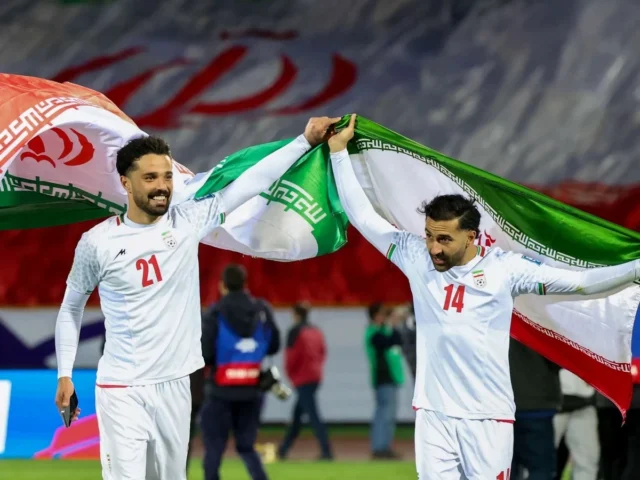
Iran qualified for the tournament by topping its Asian qualifying group and is drawn into Group G alongside Belgium, Egypt and New Zealand, with group matches scheduled in Los Angeles and Seattle. However, the geopolitical situation — compounded by longstanding U.S. travel bans on Iranian citizens — casts doubt on whether the squad will be cleared or willing to make the long journey to the host countries.
Taj’s comments come against the backdrop of severe unrest after the attacks, which sparked a series of retaliatory strikes by Iranian forces against U.S. allies in the region. Experts say that even if Iran does not formally withdraw, logistical and security challenges could prove insurmountable, complicating preparations for the prestigious tournament.
FIFA, the world football governing body, has not yet publicly addressed the situation or confirmed whether Iran’s status at the World Cup has changed, but its regulations grant it broad authority to manage unexpected developments, including replacing teams if necessary. Should Iran withdraw or be unable to participate, nations such as Iraq or the United Arab Emirates — next in line from the Asian qualification rankings — have been mentioned as potential replacements.
Beyond the sporting implications, analysts say a withdrawal by Iran could carry significant financial consequences. Under World Cup rules, a team that pulls out after qualifying may be required to return preparation funds and face fines — potentially amounting to millions of dollars — and could even face suspension from future FIFA events.
As the World Cup draw and tournament approach, the situation remains fluid and subject to rapid change. Iran’s football federation has not yet issued a definitive decision on participation, and football authorities globally will be closely watching developments that could reshape one of the sport’s most anticipated events.