The Confédération Africaine de Football (CAF) has hailed a historic breakthrough for African football following the confirmation that 10 nations from the continent will compete at the FIFA World Cup 2026, marking the highest-ever African representation at the global showpiece.
The expanded tournament, to be hosted across the United States, Canada, and Mexico, will feature a record number of teams globally, with Africa benefiting significantly from the increased allocation of slots.
CAF confirmed that the 10 African teams that have qualified for the tournament are Nigeria, Senegal, Morocco, Egypt, Ghana, Cameroon, Algeria, Tunisia, Mali, and Democratic Republic of Congo, underscoring the continent’s growing depth and competitiveness on the global stage.
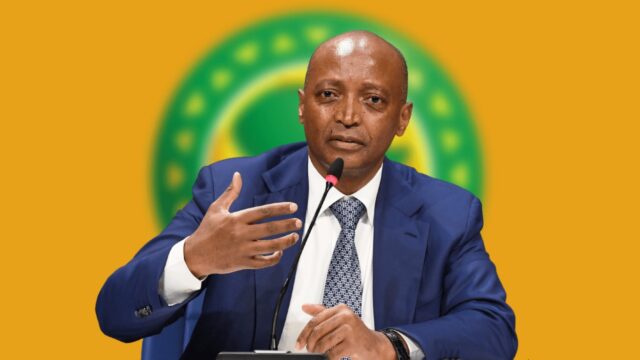
Speaking on the milestone, CAF President Patrice Motsepe described the development as a defining moment in African football history, attributing it to sustained progress and rising global standards across the continent.
“CAF and African Football are proud of the 10 Countries that will be representing the African Continent at the FIFA World Cup 2026,” Motsepe said.
He added, “It is the first time in the history of the FIFA World Cup that Africa is represented by 10 Countries. This is a recognition of the substantial growth and global competitiveness of African Football. We are confident that the African National Teams at the FIFA World Cup 2026 will make us proud and that an African Nation will be Champions of the FIFA World Cup.”
The CAF President also singled out Democratic Republic of Congo for praise following their decisive victory over Jamaica, a result that sealed their qualification and capped a strong showing in the final phase of the qualifiers.
The expansion of the World Cup to 48 teams has opened new opportunities for emerging football nations, but CAF insists the continent’s qualification surge is not merely a product of increased slots but a reflection of genuine progress in talent development, infrastructure, and international competitiveness.