Saudi Arabia’s General Authority of Civil Aviation confirmed the fatalities included four Saudi citizens, two Bangladeshi nationals, and one person each from the United States, Egypt, Jordan, Syria, Palestine and Sudan, with 309 people wounded, some critically. An Indian national later died from injuries sustained in the Saturday strike, raising the confirmed death toll to 13.
The attack, the third on the airport that week and the deadliest on Saudi soil in more than a decade, forced the suspension of operations at the facility serving Riyadh’s population of around eight million and led to widespread flight cancellations and diversions.
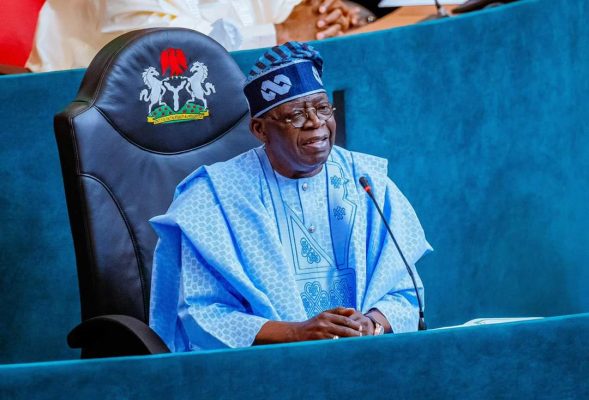
Nigeria reiterated its call for all parties “to respect international law, exercise utmost restraint, and refrain from any further action that could escalate tensions, endanger civilian lives, damage civilian infrastructure or further undermine regional peace and security.”
The government expressed solidarity with the Kingdom of Saudi Arabia, extended deepest condolences to the families of those killed, and wished the injured a speedy and full recovery. It also underscored the need to respect Saudi Arabia’s sovereignty and territorial integrity while upholding obligations under international law to protect civilians and critical infrastructure.
The statement further praised Saudi authorities for their “prompt emergency response” and acknowledged the kingdom’s ongoing efforts to safeguard security and protect its people.
One Pakistani national was later confirmed killed and 11 others wounded in the fresh attack. Saudi air defences intercepted a cruise missile near the airport, while the Houthis claimed responsibility for Saturday’s assault as well as additional strikes, warning airlines against using Saudi airspace. Schools in Riyadh shifted to remote learning, and airport operations remained suspended into Monday.