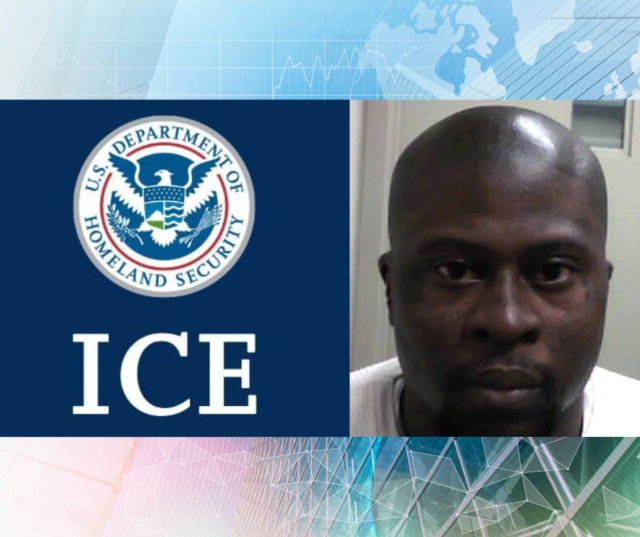
A Nigerian man identified as Ibrahim Tunde Ijaoba remains in U.S. Immigration and Customs Enforcement (ICE) custody pending deportation after amassing a lengthy criminal record that U.S. authorities say includes violent offenses and involvement in drug sales.
According to law enforcement sources, Ijaoba, described as an illegal entrant to the United States and a former member of the Bloods street gang, has been convicted on a series of serious charges over several years. His criminal history, officials say, spans aggravated assault, armed robbery, obstruction of justice, drug distribution and an escape from police custody.
ICE spokesperson Maria Morales told reporters this week that the agency is moving to enforce a final order of removal issued against Ijaoba. “Mr. Ijaoba has exhausted his appeals and remains subject to a final removal order,” Morales said. “He is in ICE custody as we make arrangements for his deportation to Nigeria.”
Among the offenses attributed to Ijaoba is an aggravated assault on a police officer with a firearm, a crime that triggered an intensified law enforcement response when it occurred. Local prosecutors also secured convictions against him for assault and aggravated assault in separate incidents, as well as for armed robbery, authorities said.
Prosecuting attorney James Henderson, who handled several of the cases against Ijaoba, told the court during one trial that “the defendant’s conduct exhibited a blatant disregard for public safety and the rule of law.” He added at the time that “violent behavior of this nature cannot be tolerated and must be addressed decisively.”
In addition to violent offenses, Ijaoba was convicted of selling illegal drugs, a charge that further complicated his legal situation and contributed to his removal order. Law enforcement officials also note that he escaped from police custody during one arrest, prompting a manhunt and additional charges.
ICE’s Morales said that deportation proceedings reflect the government’s obligation to protect public safety. “Individuals who repeatedly commit serious crimes and are not legally present in the United States are subject to deportation under federal law,” she explained. “ICE is committed to enforcing immigration laws in a manner that prioritizes community safety.”
Ijaoba’s case highlights enforcement priorities in U.S. immigration policy under current administration guidelines, which focus on individuals with significant criminal histories. Although his exact date of deportation has not been announced, ICE officials say they are coordinating with Nigerian authorities to facilitate his removal.