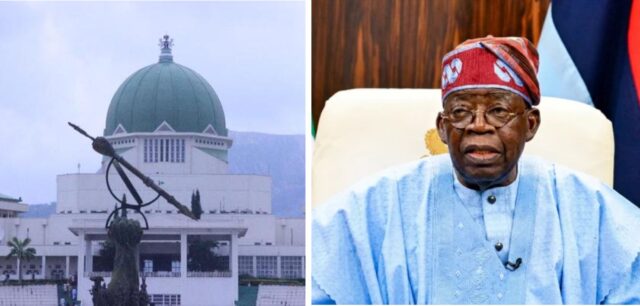
Nigeria’s Senate has passed a ₦68.3 trillion 2026 Appropriation Bill, marking a significant increase from the initial ₦58.47 trillion proposal submitted by President Bola Ahmed Tinubu, following an upward review request to accommodate key national priorities.
The budget, approved during plenary after the adoption of a joint report by the National Assembly’s appropriations committees, reflects an addition of over ₦9 trillion aimed at addressing legacy obligations, funding critical infrastructure, and supporting strategic sectors such as transportation, health, and the judiciary.
Presenting the report, Chairman of the Senate Committee on Appropriations, Adeola Olamilekan, emphasised the importance of effective implementation, warning against delays that undermined previous budgets. He said, “That bureaucratic bottleneck that led to the challenges of late releases of funds in 2025 should be addressed holistically to achieve the theme of the 2026 Appropriations Bill: From Budget to Impact.”
A breakdown of the approved budget shows ₦4.799 trillion allocated for statutory transfers, ₦15.809 trillion for debt servicing, about ₦15–16 trillion for recurrent (non-debt) expenditure, and ₦32.287 trillion earmarked for capital projects, underscoring the government’s continued emphasis on infrastructure and economic expansion.
In his communication to lawmakers, President Tinubu explained that the budget increase was necessary to “regularise outstanding legacy capital commitments” and ensure that unresolved obligations from previous fiscal cycles do not hinder the execution of the 2026 budget. He added that the adjustments are designed to preserve macroeconomic stability and reduce pressure on the domestic financial system.
The Senate approved the budget based on key fiscal assumptions, including an oil benchmark price of about $75 per barrel and an exchange rate of ₦1,512 to the dollar, reflecting ongoing efforts to stabilise Nigeria’s macroeconomic framework amid global uncertainties.
Senate President Godswill Akpabio announced the passage of the bill following a voice vote by lawmakers, concluding months of legislative review and negotiations between the executive and the legislature.
The approval also comes alongside a decision by lawmakers to extend the implementation timeline of the 2025 capital budget to June 30, 2026, in a bid to ensure the completion of ongoing projects and avoid disruptions in government spending.