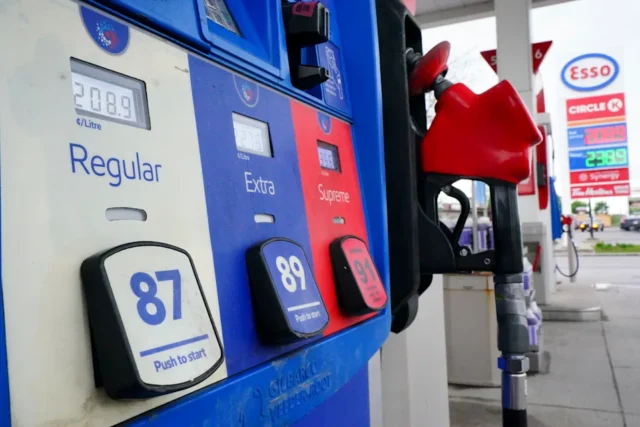
Petrol prices across Toronto, ON., Canada are expected to rise again heading into the weekend, continuing a recent upward trend that analysts say is being driven by volatility in global oil markets and growing geopolitical tensions, CP24 reports.
According to fuel price analyst Dan McTeague, the president of Canadians for Affordable Energy, drivers in Toronto could see prices climb by another two cents per litre starting Friday. McTeague said pump prices are forecast to increase to about 148.9 cents per litre, adding to a series of recent price hikes across the Greater Toronto Area.
The increase follows several price adjustments earlier in the week, with petrol already rising in stages in recent days. Data tracking fuel prices shows the average cost reached about 144.9 cents per litre on March 5, after earlier increases pushed prices steadily higher from the low-130-cent range recorded in late February.
Energy analysts say the renewed pressure on fuel prices is tied largely to global oil market instability. Ongoing geopolitical tensions in the Middle East have unsettled energy markets and driven crude prices upward, which typically filters through to higher pump prices for consumers in Canada and elsewhere.
McTeague noted that fluctuations in crude oil prices often translate quickly into higher retail petrol prices, particularly when markets anticipate potential supply disruptions. Even modest increases in global oil benchmarks can ripple through refining and distribution costs, eventually affecting prices at local gas stations.
For motorists in Toronto, the latest increase adds to concerns about rising transportation costs, especially as drivers head into the spring season when fuel demand typically begins to climb. Analysts warn that further increases are possible if crude prices continue to trend upward or if geopolitical tensions persist in key energy-producing regions.
Despite the latest hike, analysts say petrol prices remain below some of the peaks recorded in previous years, when global supply disruptions pushed pump prices significantly higher. Still, the renewed upward movement signals that fuel costs remain vulnerable to external shocks, leaving drivers and policymakers closely watching developments in global energy markets.