Energy markets around the world surged this week after escalating conflict in the Middle East disrupted tanker traffic and rattled major oil and gas producers, with knock-on effects already being felt in Nigeria and other African economies that rely heavily on crude exports and imported fuels.
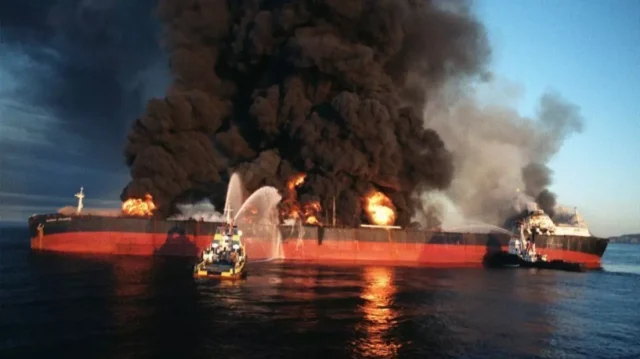
On Monday, international benchmark oil prices jumped sharply, with Brent crude briefly rising above $80 per barrel amid concerns that supply routes through the Strait of Hormuz — a chokepoint for around a fifth of global oil flows — are effectively stalled following strikes and retaliatory attacks by the United States, Israel and Iran. The surge in prices followed renewed attacks in the Gulf that have triggered tanker disruptions and facility shutdowns, including temporary halts to liquefied natural gas production by major suppliers.
Market analysts warned that the crisis has added a “war premium” to crude markets as shipping through the strait — long a strategic artery for global energy trade — has slowed considerably in recent days. Prices for U.S. crude also climbed, reflecting heightened risk pricing and fears that extended disruptions could push Brent well above $90 per barrel or even beyond $100 if supply routes remain constrained.
The energy price shock has immediate implications for African producers and consumers alike. Nigeria — Africa’s largest crude exporter — has seen its oil revenue prospects strengthen as Brent benchmarks rise, offering the potential for increased foreign exchange earnings just as global markets tighten. Analysts cited by Bloomberg and local media report that Brent trading close to the $80 mark could yield a short-term fiscal windfall for Nigeria, with analysts forecasting even higher prices if the crisis persists.
However, the rising crude prices also threaten higher fuel costs across Nigeria and other African nations that rely on imported refined products. Downstream operators and energy experts in Nigeria warned that if international crude prices climb above $90 per barrel, local petrol and diesel prices could surge again — potentially undoing recent moderate declines achieved through adjustments by domestic refineries such as Dangote.
Other African oil producing countries, including Angola and Algeria, are also tracking the situation closely, as extended disruptions in the Gulf could shift global trade patterns and redirect demand flows toward Atlantic Basin supplies. With tanker traffic through the Gulf slowed or suspended and shipowners rerouting vessels around Africa’s Cape of Good Hope — adding weeks to transit times — logistics costs are rising sharply.
Beyond crude, natural gas prices have also surged amid reports that QatarEnergy suspended liquefied natural gas output after facilities were affected by regional hostilities. European and Asian gas benchmarks jumped accordingly, raising concerns about energy affordability for consumers and industries across the continent and in gas-importing African economies.
Analysts say the wider effects of the supply disruption could exacerbate inflationary pressures already felt in many parts of Africa, where exchange rates and import costs are closely tied to energy price swings. Central banks and governments may find themselves under renewed pressure to address rising living costs and potential slowdowns in economic growth if energy prices remain elevated.
While some OPEC+ producers agreed recently to modest increases in production in a bid to soothe markets, analysts note that the effectiveness of such moves is limited if tanker routes remain constrained and geopolitical uncertainty persists.
As the Iran-U.S. conflict unfolds, global markets remain on edge, with analysts and investors watching closely for signals on the duration of supply disruptions and the potential for further escalation. For African oil exporters like Nigeria, the current price spike offers both opportunity and risk — stronger revenues on one hand, and the threat of costlier fuels and broader economic pressures on the other.