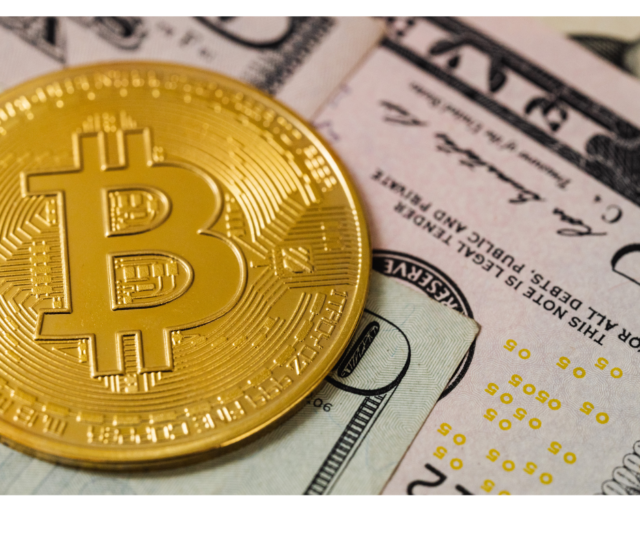
Bitcoin retreated from a three-month high on Thursday as the recent rally in the crypto market began to lose momentum, with investors locking in profits after a strong run fueled by easing geopolitical tensions and renewed institutional interest.
The world’s largest cryptocurrency slipped back toward the $81,000 range after climbing above $82,000 earlier in the week, its strongest level since late January. Market analysts said the pullback reflected a broader cooling in market sentiment following several days of aggressive buying across digital assets.
The recent surge had been driven largely by optimism surrounding reports of a possible diplomatic breakthrough between the United States and Iran, which helped improve global risk appetite and boosted demand for speculative assets such as cryptocurrencies. Analysts noted that hopes of easing tensions around the Strait of Hormuz contributed to lower oil price concerns and encouraged investors to return to risk markets.
Despite the latest decline, Bitcoin remains significantly higher than its levels from earlier this year, with institutional inflows into spot Bitcoin exchange-traded funds continuing to provide support for the market. Industry data showed that U.S.-based Bitcoin ETFs attracted billions of dollars in inflows over recent weeks, reinforcing renewed confidence among large-scale investors.
Market observers said the rally began to slow after Bitcoin approached a key technical resistance zone near its 200-day moving average. Traders also pointed to overbought market conditions and rising profit-taking activity as reasons for the pause in momentum.
Other major cryptocurrencies also traded lower, with Ethereum and XRP posting modest losses amid broader market consolidation. Analysts said the crypto market remains highly sensitive to shifts in investor sentiment, macroeconomic developments, and regulatory uncertainty.
While some market strategists believe the recent correction is temporary and could pave the way for another upward move later in the year, others warned that Bitcoin remains vulnerable to renewed volatility if institutional inflows weaken or geopolitical optimism fades.
The cryptocurrency market has experienced sharp swings throughout 2026, with Bitcoin previously suffering steep declines amid concerns over global monetary policy, investor liquidity, and broader market uncertainty. However, recent ETF demand and improving sentiment have helped the digital asset recover some of its losses in recent weeks.