The Confédération des États du Sahel (AES) has issued a strongly worded communiqué condemning a series of coordinated terrorist attacks that struck multiple sites across Mali on Saturday, describing them as part of a long-planned operation aimed at destabilizing the alliance and sowing terror among civilians.
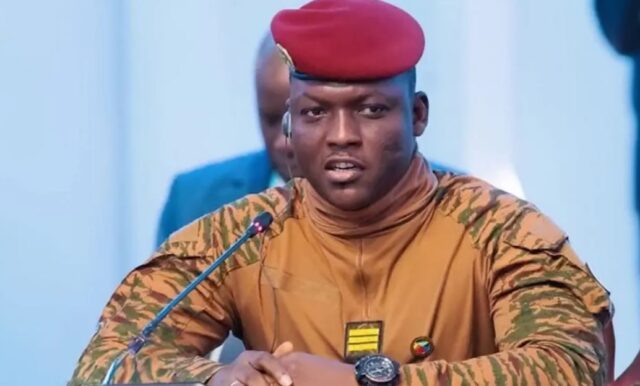
In the official statement issued by AES President Captain Ibrahim Traoré, the alliance—which comprises Mali, Burkina Faso, and Niger—asserted that the attacks demonstrated clear signs of advanced coordination, including the selection of targets, the number of assailants involved, and the logistics and weaponry deployed.
“The coordination of the attacks, the targets aimed at, the manpower that took part in the misdeed, as well as the logistics and the arms used, show that it is a question of actions planned and coordinated long ago, aiming to inflict numerous losses among the defense and security forces and to sow terror within the innocent civilian populations of the Confederation of Sahel States and particularly of Mali,” the communiqué states.
The AES leadership went further, framing the assaults as the work of external enemies opposed to the Sahel’s push for sovereignty. “The persistence of these barbaric and inhuman aggressions bears the signature of a monstrous plot supported by the enemies of the liberation struggle of the Sahel engaged through the confederate dynamic of the AES,” it declared. Yet the statement emphasized that the “macabre design and the destabilization ambitions” were ultimately thwarted by the “professional, courageous, and determined response” of Mali’s armed forces.
The attacks, which targeted locations including Bamako, Kati, the Bamako airport, and other northern and central areas such as Mopti, Sévaré, and Gao, have been claimed by the al-Qaeda-affiliated group Jama’at Nusrat al-Islam wal-Muslimin (JNIM) as well as Tuareg rebels from the Azawad Liberation Front. Mali’s military confirmed ongoing fighting in the immediate aftermath, with reports confirming the death of Defense Minister General Sadio Camara, who was killed during a car bomb assault on his residence after engaging the attackers.
In a show of unwavering unity, the AES expressed “total, unconditional, and fraternal solidarity” with the Malian people, its government, and the Forces Armées Maliennes (FAMa). “These ignoble, cowardly, and barbaric acts against a sovereign member state could not shake the will of the valiant peoples of the Sahel to live free, in peace, and in dignity,” the communiqué affirmed. It offered “the most sincere condolences” to the families of those killed—referred to as martyrs—and swift recovery wishes to the injured.
The alliance also paid tribute to the Malian forces for repelling the assault, stating they had put “out of action these individuals from another era, in the pay of actors animated by a manifest will to break its sovereignist vision.” Captain Traoré further extended gratitude to partner states that demonstrated immediate solidarity, underscoring the AES’s commitment to collective resilience.
As of April 27, 2026, the communiqué has been widely circulated by AES member governments and regional media outlets, reinforcing the bloc’s narrative of external interference targeting its sovereignty drive. The United Nations Secretary-General has also condemned the violence, calling for a coordinated international response to the escalating threats in the Sahel, where terrorist activity remains among the world’s most intense.