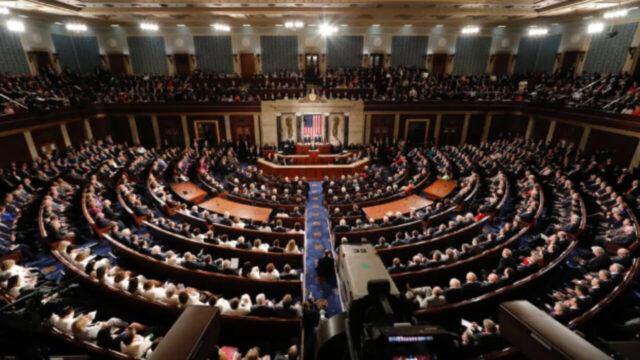
A group of Republican lawmakers in the United States Congress has taken the unprecedented step of naming former Kano State governor Rabiu Musa Kwankwaso, the Miyetti Allah Cattle Breeders Association of Nigeria (MACBAN) and organisations described as “Fulani-ethnic militias” in proposed legislation that could lead to targeted sanctions, visa bans and asset freezes. The move, outlined in the Nigeria Religious Freedom and Accountability Act of 2026, has stirred fresh controversy in diplomatic and political circles both in Washington and Abuja.
The bill, introduced on February 11 by Representatives Riley Moore of West Virginia and Chris Smith of New Jersey alongside four other lawmakers, directs the U.S. Department of State and Treasury to consider imposing punitive measures under the Global Magnitsky Human Rights Accountability Act on individuals and entities it says are responsible for “severe religious freedom violations” in Nigeria. The legislation further calls on the Secretary of State to determine whether certain Fulani militia groups qualify for designation as foreign terrorist organisations.
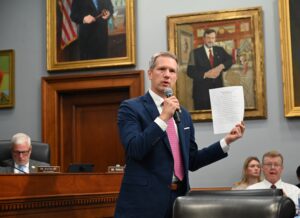
In a post on the social media platform X, Congressman Riley Moore explained the intent behind the bill, saying, “Today, I am proud to introduce the Nigeria Religious Freedom and Accountability Act of 2026 with Rep. Chris Smith. The U.S. is a Christian nation. As such, we must stand with persecuted Christians around the world.” Moore’s remarks reflect the overarching theme of the legislation, which sponsors argue is aimed at addressing a long-standing pattern of violence affecting religious communities in Nigeria.
Representative Chris Smith, who chairs the House Foreign Affairs Subcommittee on Africa, has emphasised that the absence of robust prosecutions of jihadist and militia actors in Nigeria has contributed to ongoing insecurity, including attacks on Christian communities. “The Nigerian government’s blatant denial of the religious persecution occurring within its borders has only enabled the religious-based violence in the country to fester,” Smith said, stressing that greater accountability is needed.
The proposed sanctions list includes Kwankwaso, a former presidential candidate and national leader of the New Nigeria Peoples Party (NNPP), and two prominent Fulani pastoralist organisations, MACBAN and Miyetti Allah Kautal Hore, as well as “Fulani-ethnic nomad militias.” If enacted, the legislation would require periodic reporting to Congress on U.S. efforts to address the alleged violations and could trigger diplomatic and economic penalties.
Reactions in Nigeria have been swift. The NNPP issued a statement rejecting the bill and the allegations against Kwankwaso, describing them as “contrived and unfair” and alleging international hypocrisy in singling out Nigerian actors for scrutiny. The party’s spokesman argued that the measures misrepresent complex security challenges facing the country.
Similarly, the leadership of MACBAN has previously disputed any association with terror activities. In a press statement issued last year, the group’s president said MACBAN “does not support, condone, harbour, finance, or protect any form of criminality, extremism, or violence,” and urged U.S. lawmakers to remove its name from any sanctions list.
The bill’s introduction comes against the backdrop of heightened U.S. concern over religious violence in Nigeria. In late 2025, the United States re-designated Nigeria as a “Country of Particular Concern” for religious freedom violations, a decision that drew criticism from Nigerian authorities, who maintain that its security issues are multi-faceted and not solely defined by religious persecution.
The Nigeria Religious Freedom and Accountability Act of 2026 must still pass both chambers of the U.S. Congress before becoming law. If approved, its sanctions provisions could significantly impact U.S.–Nigeria relations, prompting discussions on accountability, human rights and the appropriate balance of diplomatic pressure in addressing internal security challenges.